Recorded video is useful after something happens. Live video monitoring is what stops something from happening in the first place. For a growing number of Minneapolis and St. Paul businesses — warehouses, distribution centers, office buildings, restaurants, manufacturing plants, retail, and commercial property owners — adding a live monitoring layer on top of an existing commercial security camera system has become one of the highest-ROI security decisions available.
This guide explains what live video monitoring is, how it works technically, which industries benefit most, and how to tell whether it makes sense for your commercial property. For the service itself — coverage hours, site requirements, and what we install — see our live video monitoring service page.
What Is Live Video Monitoring?
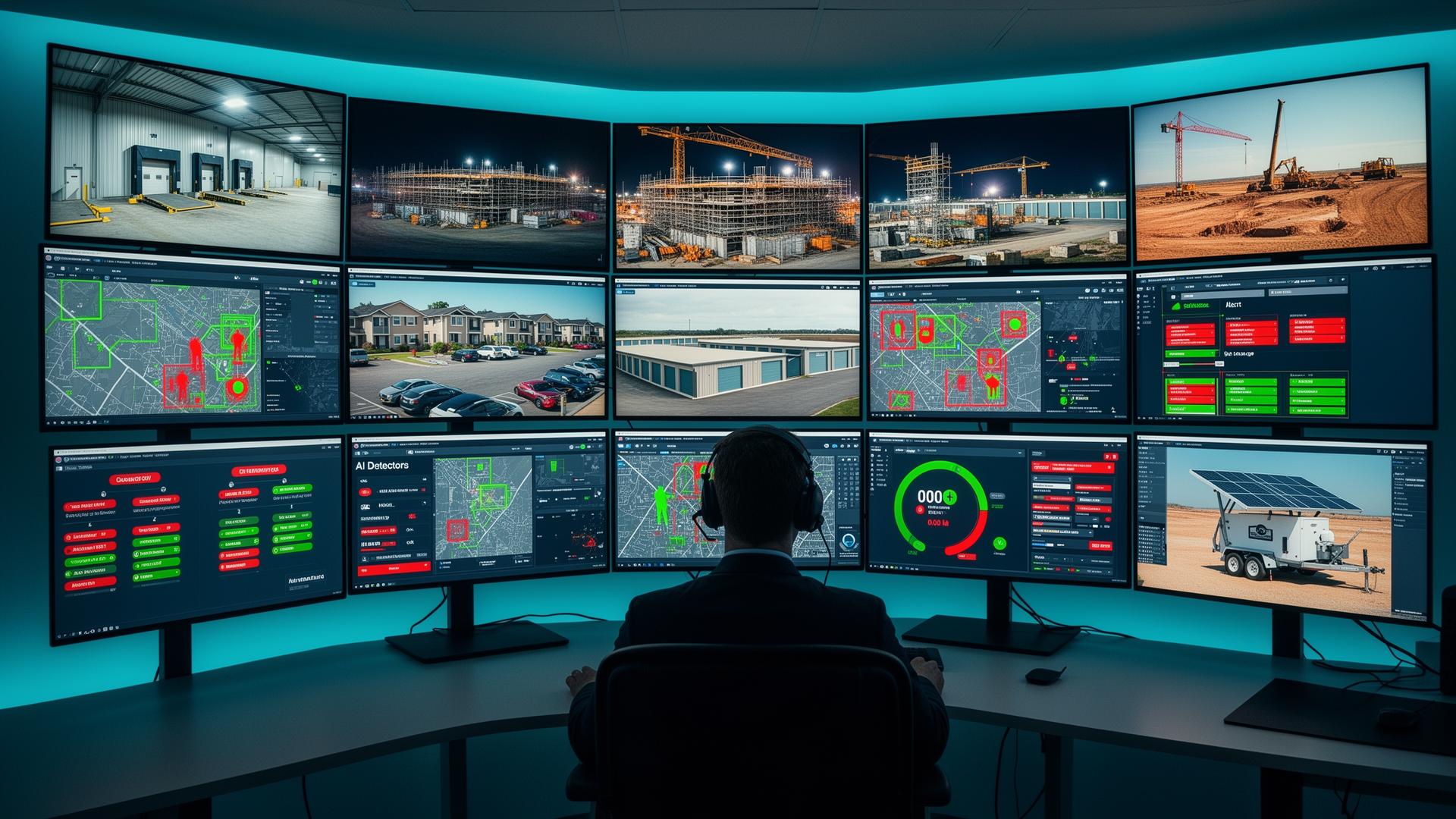
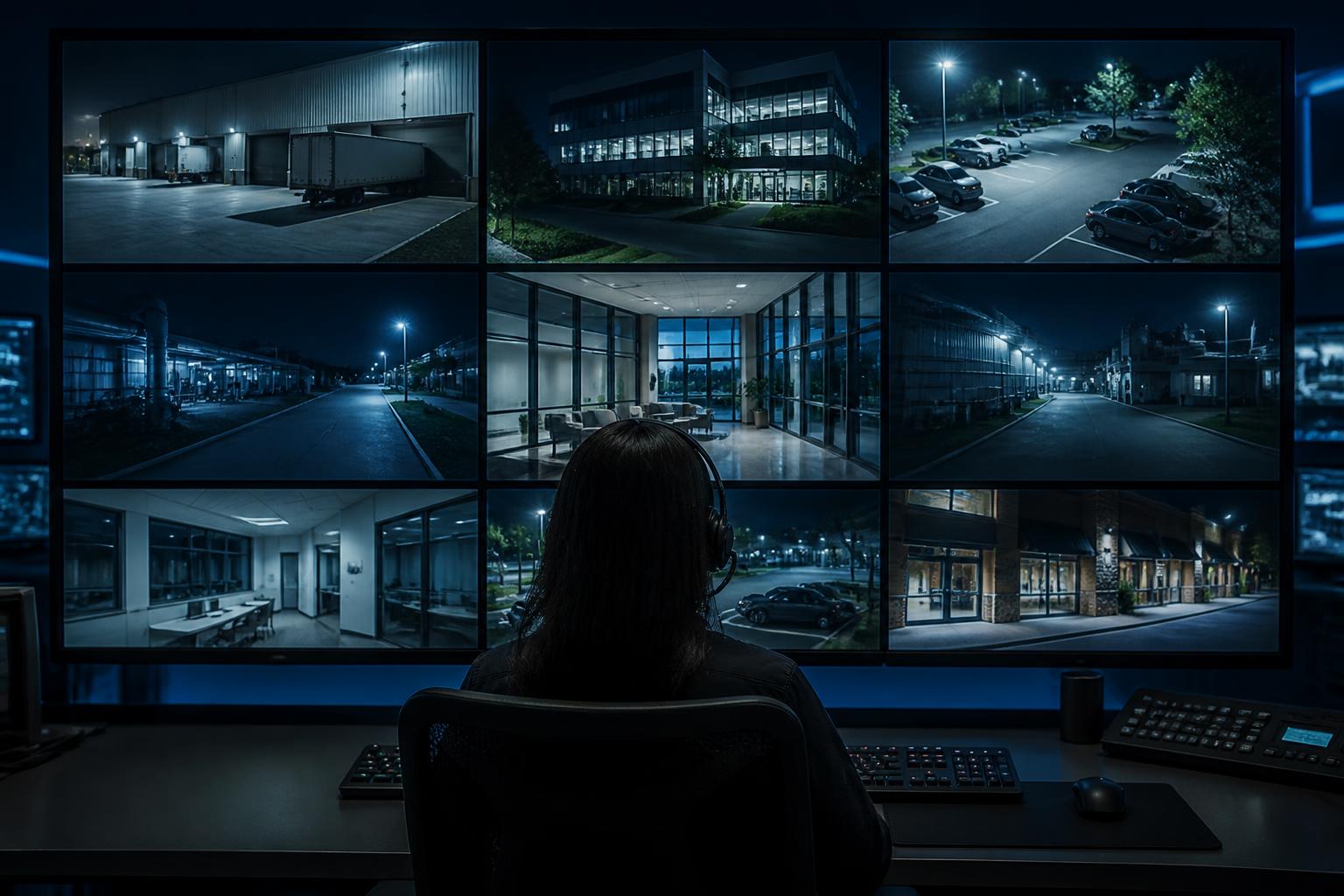
Live video monitoring — sometimes called live video surveillance, remote video monitoring, or video monitoring for commercial property — is a service where trained operators watch your existing security cameras in real time from a professional monitoring center. When the system detects activity that meets a defined rule (a person crossing a fence line at 2 a.m., a vehicle in a closed loading dock, loitering near an entrance after hours), an operator sees a live feed within seconds and follows a pre-agreed response plan.
That response typically includes:
- On-site voice-down through outdoor speakers, warning intruders they're being watched
- Verified dispatch to local law enforcement — which many jurisdictions prioritize over unverified alarms
- Immediate notification to on-call management, security, or property staff
- A timestamped incident report and clip package delivered the same day
It is a very different service from monitored intrusion alarms. An alarm system tells someone that a contact opened. Live video monitoring tells someone what is actually happening — and lets a real person intervene while it's still happening.
How Live Video Monitoring Actually Works
The technical flow is straightforward when the underlying camera system is designed correctly:
- Commercial cameras with analytics. Platforms from manufacturers such as Hanwha Vision and Axis Communications, along with cloud video platforms with AI analytics, run detection rules on the camera or on the recorder — person detection, vehicle detection, line-cross, loitering, intrusion into a defined zone.
- Rule-based triggers. Detection rules are tuned to the site and the schedule. A warehouse dock may allow vehicles all day but treat any human presence between 8 p.m. and 5 a.m. as an alert. An office building may only trigger on activity in specific zones after hours.
- Alert to the monitoring center. When a rule fires, the camera pushes a live view to trained operators in seconds — not a still image, a live feed with the last several seconds of context.
- Verification and response. The operator confirms whether the activity is a real threat, a nuisance (wildlife, weather, a delivery driver), or an authorized after-hours worker. Real threats get a voice-down, a police dispatch, or both.
- Documentation. Every event is logged with timestamp, camera, operator notes, and video clips available for review.
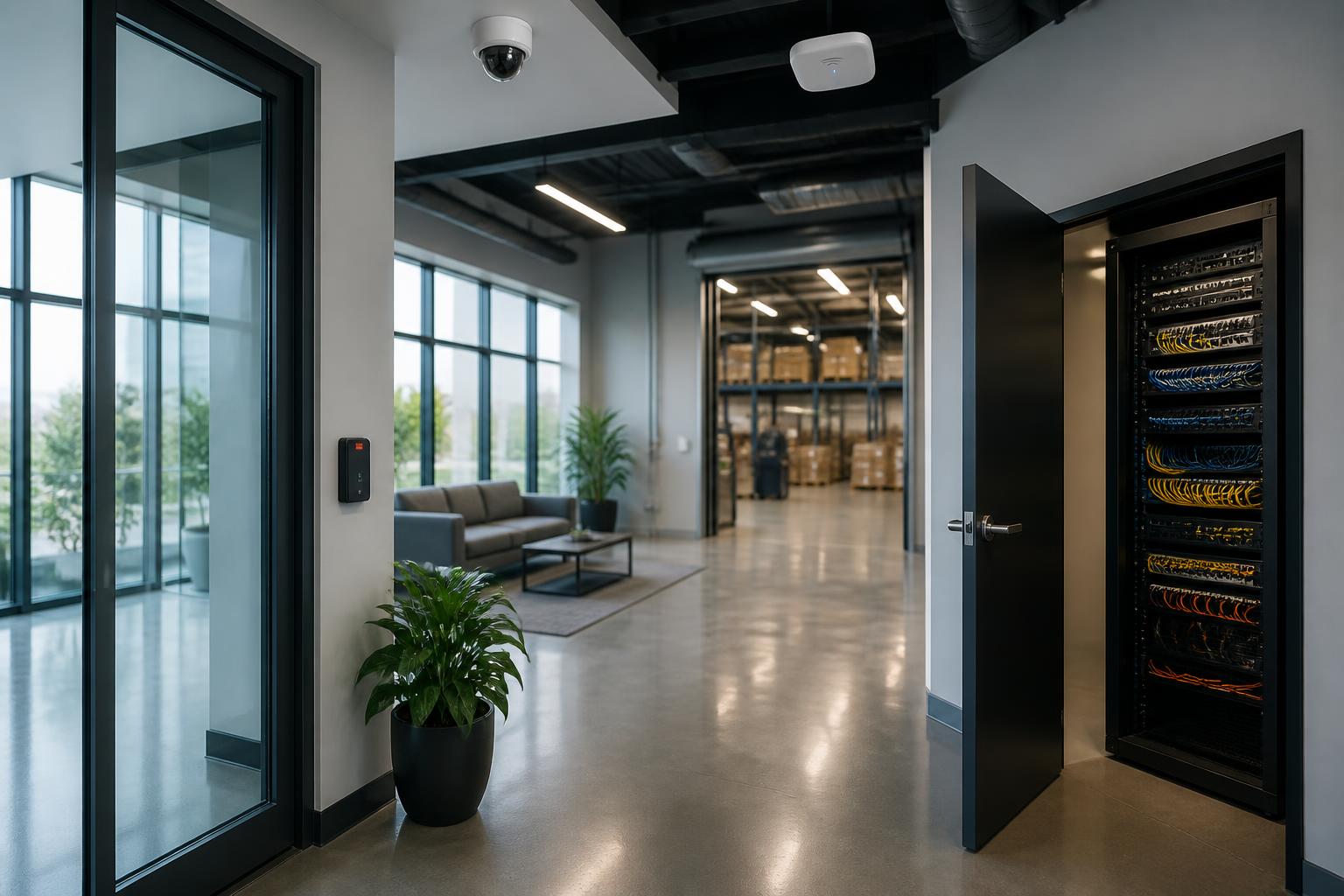
None of this works reliably without well-designed structured cabling, sufficient PoE switch capacity, and reliable internet — which is why live monitoring is typically deployed as part of a broader reliable network infrastructure plan, not bolted onto whatever cameras happen to be in place.
Which Minneapolis and St. Paul Businesses Benefit Most
Live video monitoring pays off fastest at properties with high after-hours risk, large outdoor perimeters, or expensive assets that sit exposed overnight. The businesses we see get the most out of it:
Warehouses and Distribution Centers
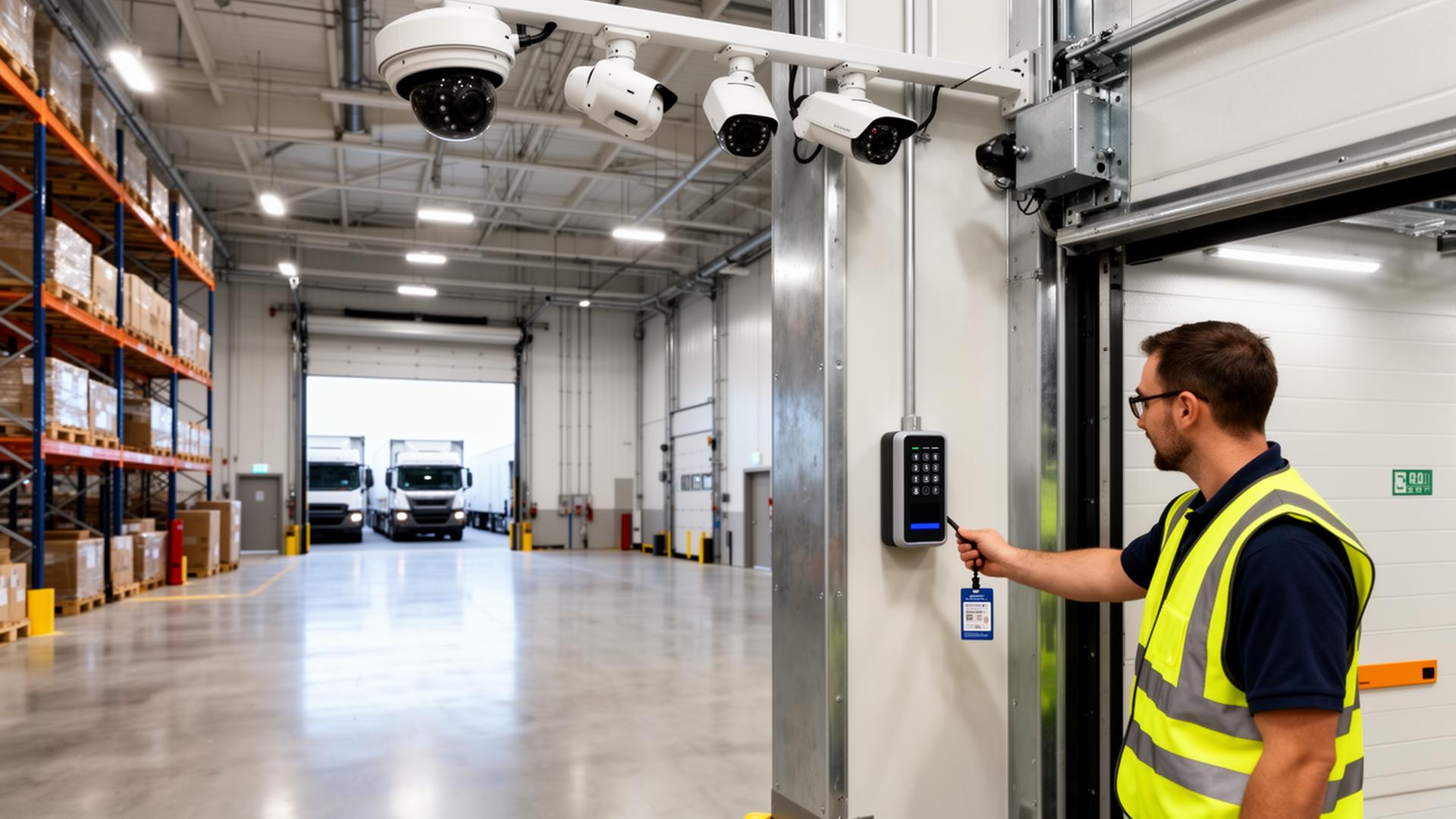
Loading docks, trailer yards, fuel tanks, and fenced storage yards are frequent targets for theft. Live monitoring on outdoor cameras with speaker voice-down turns a passive warehouse surveillance system into an active deterrent.
Manufacturing Facilities
Manufacturing plants often combine expensive equipment, raw materials, and finished goods with limited overnight staff. Live video surveillance covering perimeter fencing, gates, and outdoor storage adds meaningful protection without adding round-the-clock guards.
Office Buildings and Commercial Property
Multi-tenant office buildings, medical office parks, and Class B/C commercial property benefit from live monitoring of entrances, parking lots, and lobbies during evenings, weekends, and holidays — the times when the building is closed but not empty of value.
Restaurants
Restaurant patios, back-of-house alleyways, dumpsters, and closed dining rooms are common late-night targets. Live monitoring can catch break-in attempts as they start, not the morning after.
Retail
Standalone retail buildings, strip centers, and after-hours storefront monitoring benefit from voice-down deterrence at the moment activity is detected.
Apartment Communities and Multifamily
Pool areas, mailrooms, parking structures, and clubhouse buildings benefit from live monitoring during posted closed hours, complementing on-site access control.
Construction Sites, Storage Yards, and Auto Dealerships
Wherever high-value assets sit outdoors overnight, live video surveillance with speaker warnings is often the difference between a documented incident and a stopped one.
Live Video Monitoring vs. Recorded Video
Both matter, but they solve different problems.
- Recorded video answers "what happened?" It's essential for investigations, insurance claims, HR incidents, and after-the-fact review. Every commercial camera system should record.
- Live video monitoring answers "is this happening right now, and can we stop it?" It shortens the window between detection and response from hours to seconds.
The right question is rarely "one or the other." It's "which cameras and which hours are worth actively watching, and which are fine to review only when needed?" Most Minneapolis and St. Paul businesses end up with 24/7 recording across the whole system and live monitoring focused on specific outdoor cameras during after-hours schedules — a much more affordable model than watching everything all the time.
What Live Monitoring Costs (In Plain Terms)
Live monitoring is priced per camera, per site, and per schedule. Cost drivers include:
- Number of cameras being actively watched (not total cameras on site)
- Hours of coverage — after-hours only vs. 24/7
- Whether outdoor speakers for voice-down are included
- Whether the site requires custom detection zones or scheduling
Because most alerts happen outside business hours, an after-hours-only plan focused on outdoor cameras is usually the most cost-effective starting point. A property with 4-8 outdoor cameras monitored evenings, weekends, and holidays is often less expensive than a single overnight guard shift — while covering a much larger perimeter.
Signs Your Business Is Ready for Live Video Monitoring
If more than a few of those apply, live monitoring is worth pricing out — and often pays for itself the first time it prevents an incident.
How Live Video Monitoring Fits Into a Complete Security Strategy
Live video monitoring is one layer, not the whole strategy. The most effective commercial security programs combine several elements:
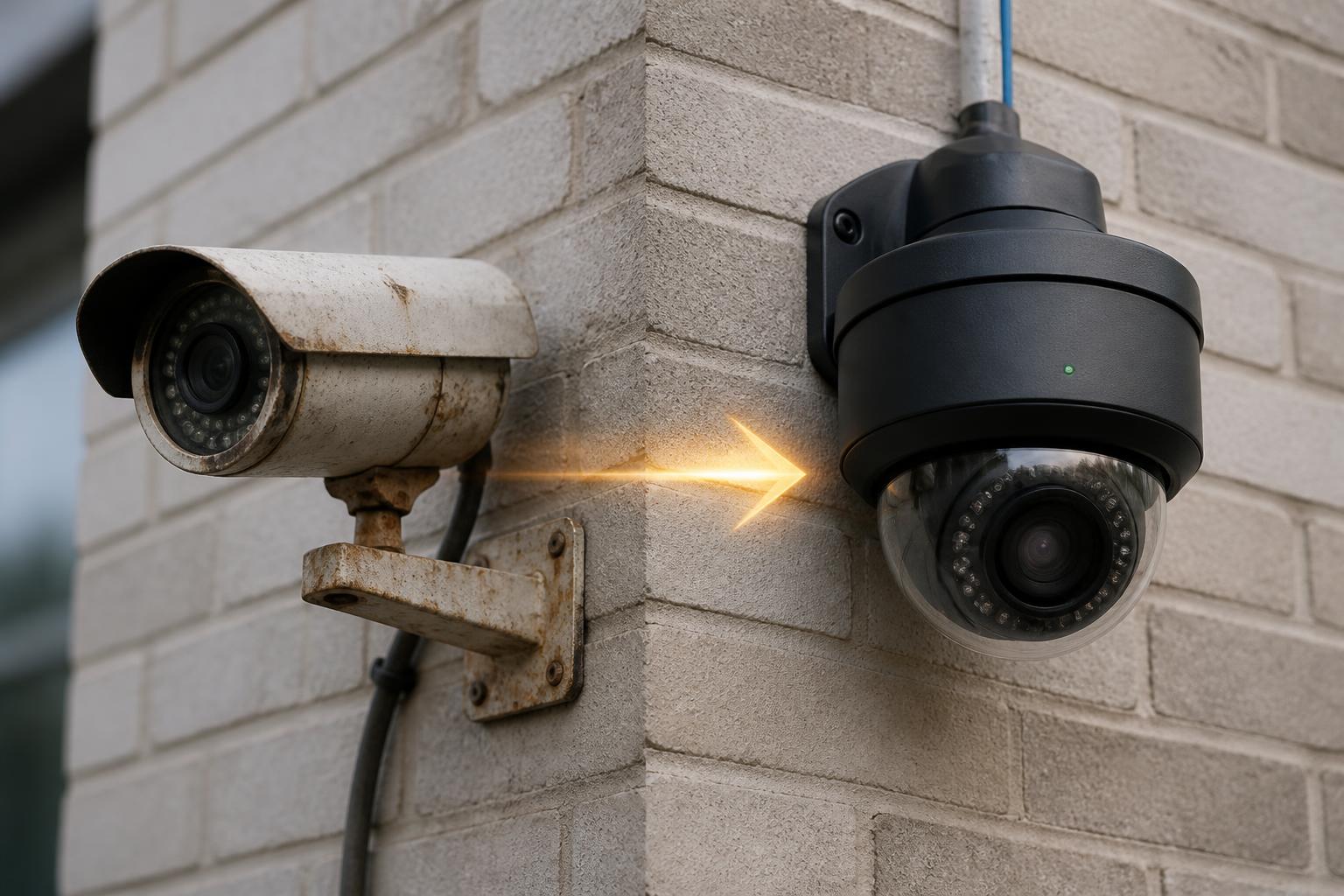
- Commercial security cameras designed with correct coverage and resolution
- Cloud-managed access control for doors, gates, and interior spaces
- Intrusion detection at contact points and glass-break locations
- Structured cabling and PoE switches sized for the camera load
- A reliable, well-supported network
- Live video monitoring where it produces the most value
When these layers are designed together — by a single commercial low voltage contractor — they perform far better than the same systems installed piecemeal.
Serving Minneapolis, St. Paul & East Central Minnesota
Magnuson Low Voltage Wiring designs and installs commercial security camera systems and coordinates live video monitoring for businesses throughout Minneapolis, St. Paul, and East Central Minnesota. We work with warehouses, distribution centers, manufacturing facilities, office buildings, retail businesses, restaurants, apartment communities, and commercial property owners to design camera coverage, network infrastructure, and monitoring schedules that actually match how each site operates.