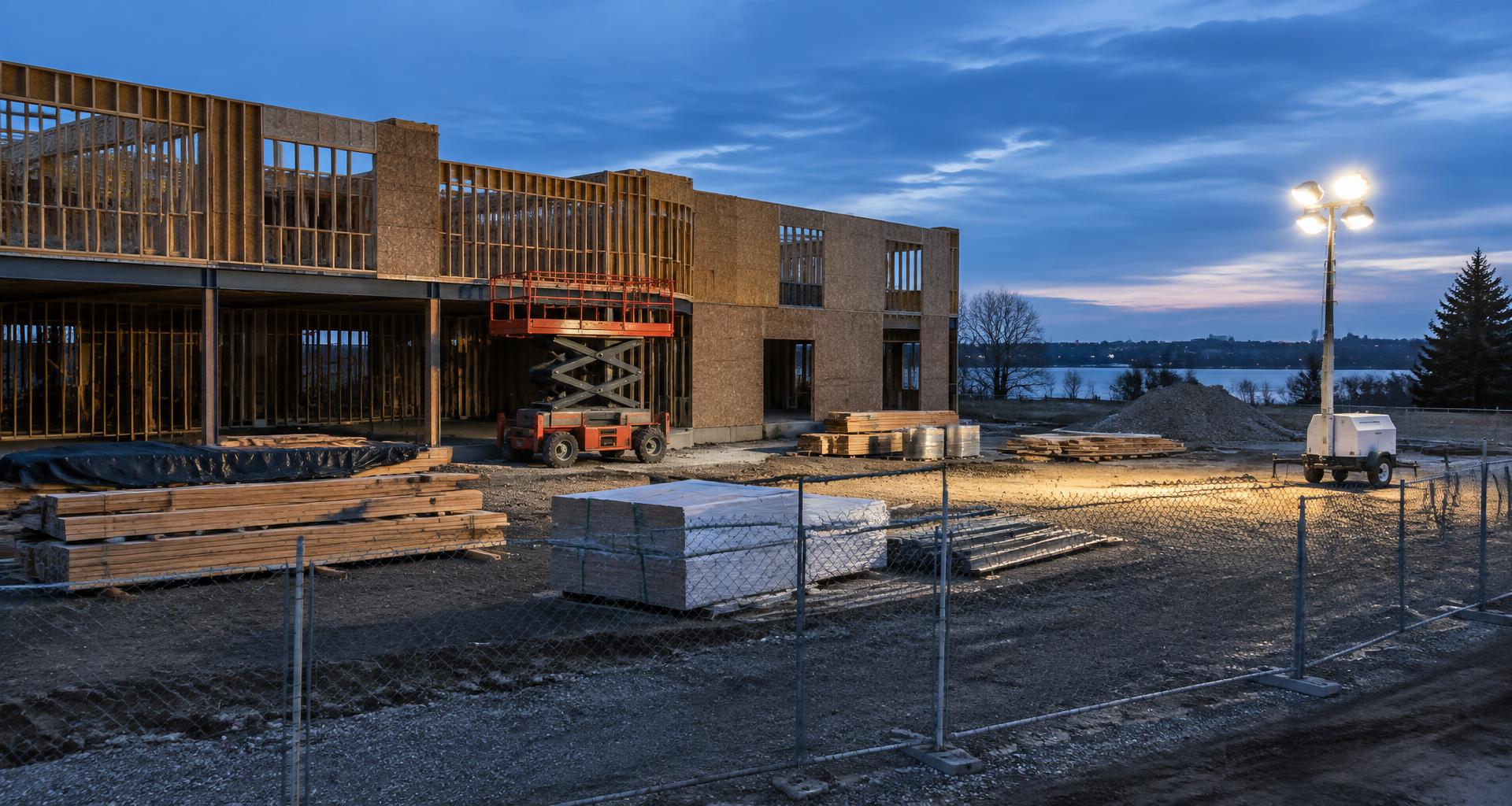
A reliable network starts long before the first computer is plugged in. Whether you operate an office, apartment complex, warehouse, retail store, church, healthcare facility, or industrial property, the cabling hidden behind your walls and above your ceilings is the foundation of everything that runs on your network.
At Magnuson Low Voltage Wiring, we trace the majority of "network problems" back to poor installation practices — not faulty equipment. Below are the cabling fundamentals every property owner, IT manager, and facility manager should understand before starting a project in Minnesota.
1. Start With a Long-Term Plan
The most common — and most expensive — mistake is installing cabling that only meets today's needs. Adding workstations, security cameras, access control, wireless access points, digital signage, or VoIP phones can quickly fill up pathways and switch ports. Planning for growth up front almost always costs less than retrofitting a finished building later.
Plan capacity for:
- Future employee and workstation growth
- Additional network-connected devices
- Security camera and access control expansion
- Wi-Fi access point upgrades
- New office build-outs and tenant changes
2. Use Quality CAT6 or CAT6A Cabling
Not all network cable is equal. For most commercial installations, CAT6 provides excellent gigabit and multi-gigabit performance. Facilities with higher bandwidth needs — data-heavy offices, healthcare, or future 10G upgrades — benefit from CAT6A, which adds bandwidth headroom and stronger interference protection.
Cheap cable typically leads to:
- Reduced throughput and dropped packets
- Costly troubleshooting visits
- Signal degradation over long runs
- Premature replacement
3. Maintain Clean Cable Management
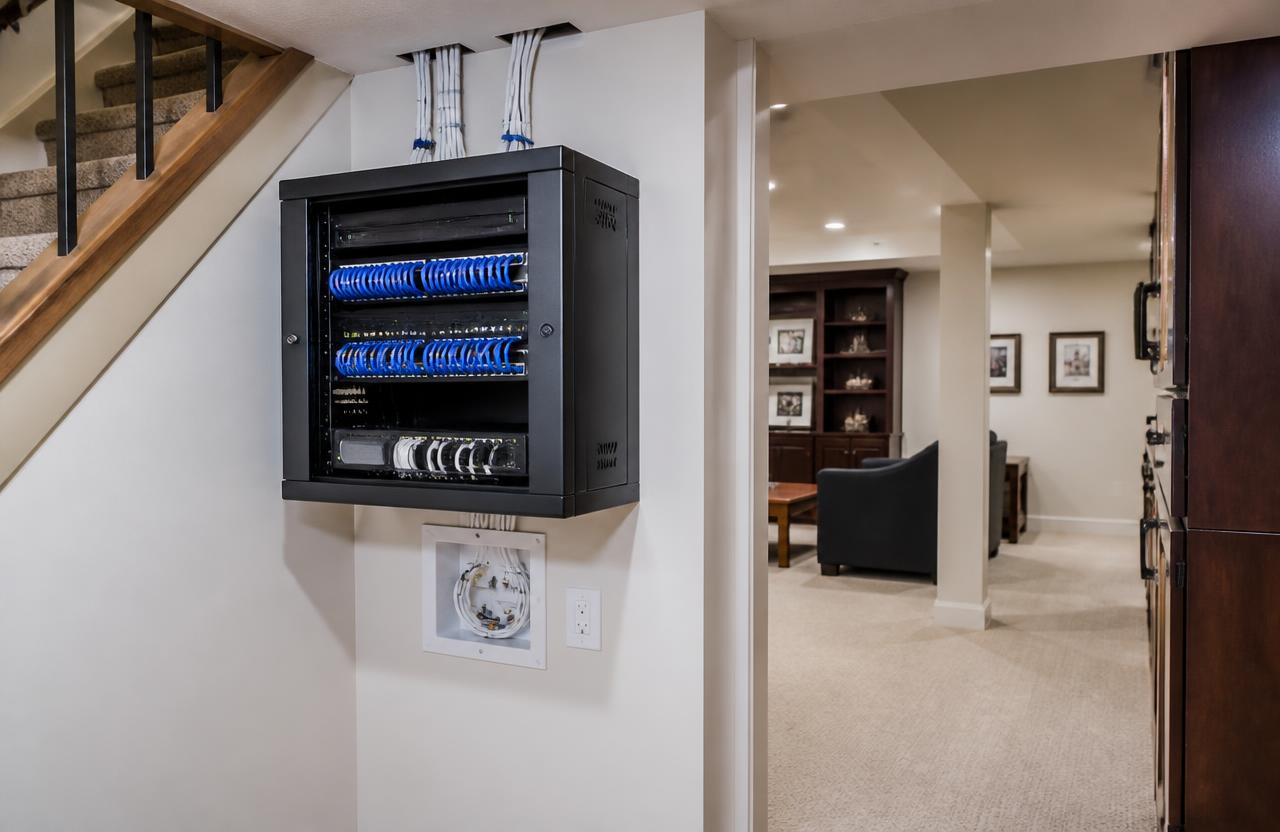
Cable management is about much more than appearance. A clean rack improves airflow, makes troubleshooting dramatically faster, and protects your investment for years.
Every professional rack should include:
- Horizontal and vertical cable managers
- Properly terminated patch panels
- Clearly labeled cables on both ends
- Service loops where appropriate
- Adequate slack for moves, adds, and changes
4. Label Everything
Labeling is the simplest, cheapest, and most overlooked best practice in commercial cabling. Every cable should be labeled at both ends so technicians can immediately identify workstation drops, wireless access points, cameras, access control devices, and patch panel connections. Without labels, even a minor troubleshooting call turns into a half-day project.
5. Separate Data and Electrical Cabling
Network cables should be routed away from electrical conductors whenever possible. Running low-voltage cable too close to power introduces electromagnetic interference that quietly degrades network performance.
This is especially important in warehouses, manufacturing facilities, and older commercial buildings with heavy electrical infrastructure.
6. Use Proper Pathways and Supports
Cables should never be left unsupported above ceilings or resting on ceiling tiles — both violate code and shorten the life of the installation.
A proper installation uses:
- J-hooks at consistent intervals
- Cable trays or conduit where required
- Fire-rated penetrations through walls and floors
- Bend-radius compliance at every turn
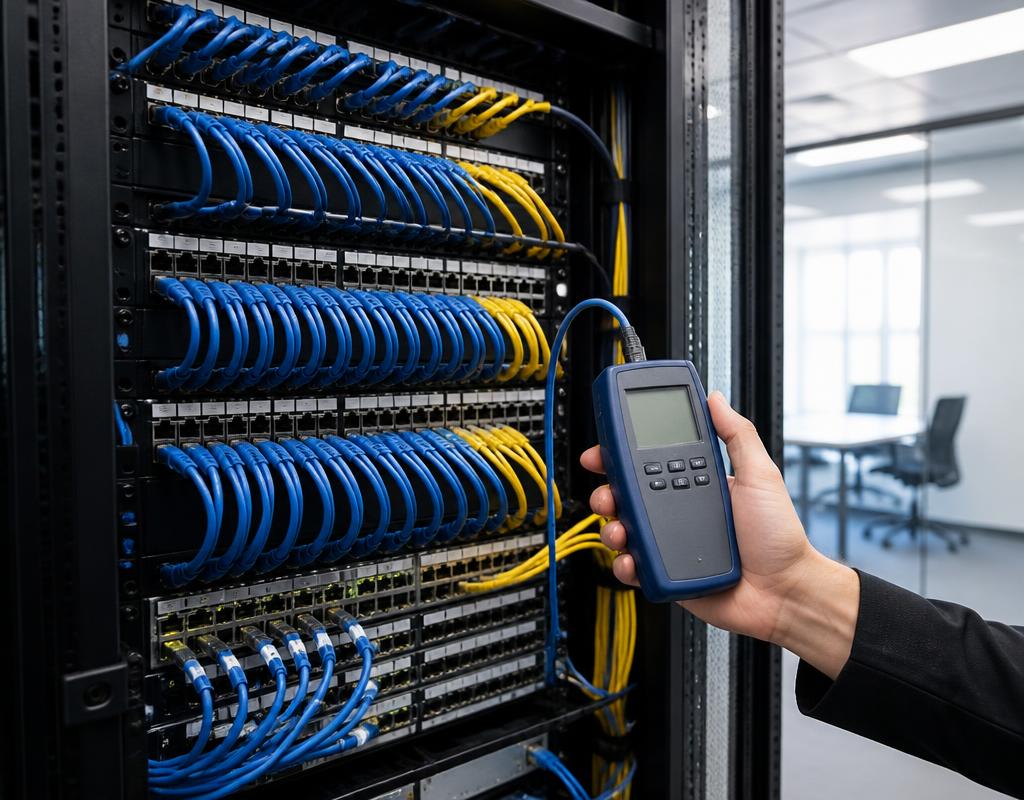
7. Test and Certify Every Run
A professional installation includes testing of every cable run for continuity, wire mapping, length, and signal performance. Documentation of those results gives you a baseline for the life of the building and prevents finger-pointing the next time equipment is upgraded.
8. Treat Cabling as One System
Modern facilities aren't just running computers over the network. A properly designed structured cabling system supports:
- Security cameras
- Access control systems
- VoIP phone systems
- Wireless access points
- Building automation and HVAC controls
- Digital signage and AV
Designing the whole system together — instead of one drop at a time — saves money and prevents conflicts down the road.
Choosing the Right Network Cabling Contractor
The quality of the installation matters just as much as the quality of the materials. A professional low-voltage contractor should provide planning and design, industry-standard installation methods, full cable testing and documentation, clean cable management, accurate labeling, and clear recommendations for future scalability.
Businesses throughout Minneapolis, St. Paul, Forest Lake, Cambridge, North Branch, Isanti, Andover, Blaine, Burnsville, Bloomington, and the greater Twin Cities area rely on dependable network infrastructure every day. The right partner keeps that infrastructure working quietly in the background for years.