Operator-Verified Events
Video analytics identify defined activity, then trained operators review the event and surrounding camera views before choosing a response.

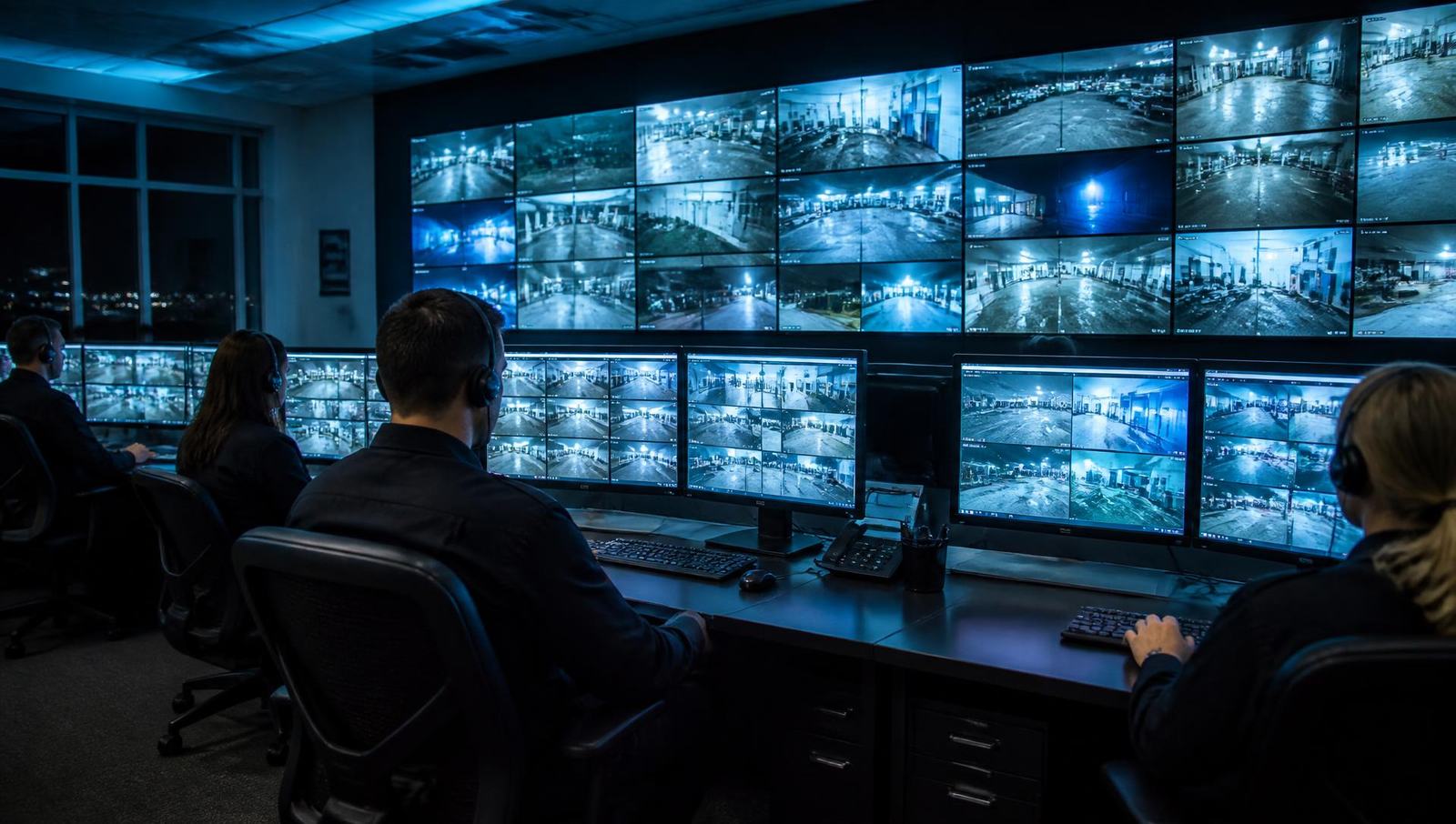
Turn commercial cameras into a proactive response network. Trained operators review defined events, verify what is happening, use live audio when appropriate, coordinate escalation, and document actions and resolutions for your team each morning. We design, install, and support remote video monitoring across the North Metro, I‑35 corridor, nearby Western Wisconsin, and East Central Minnesota.
Monitoring can support more than intrusion response. With the right views and policies, it can add context to employee duress, customer aggression, lone-worker checks, deliveries, gate activity, visible hazards, and operational exceptions.
Already have cameras? We assess the system first and explain what can connect, what should move, and what must improve before monitoring begins.
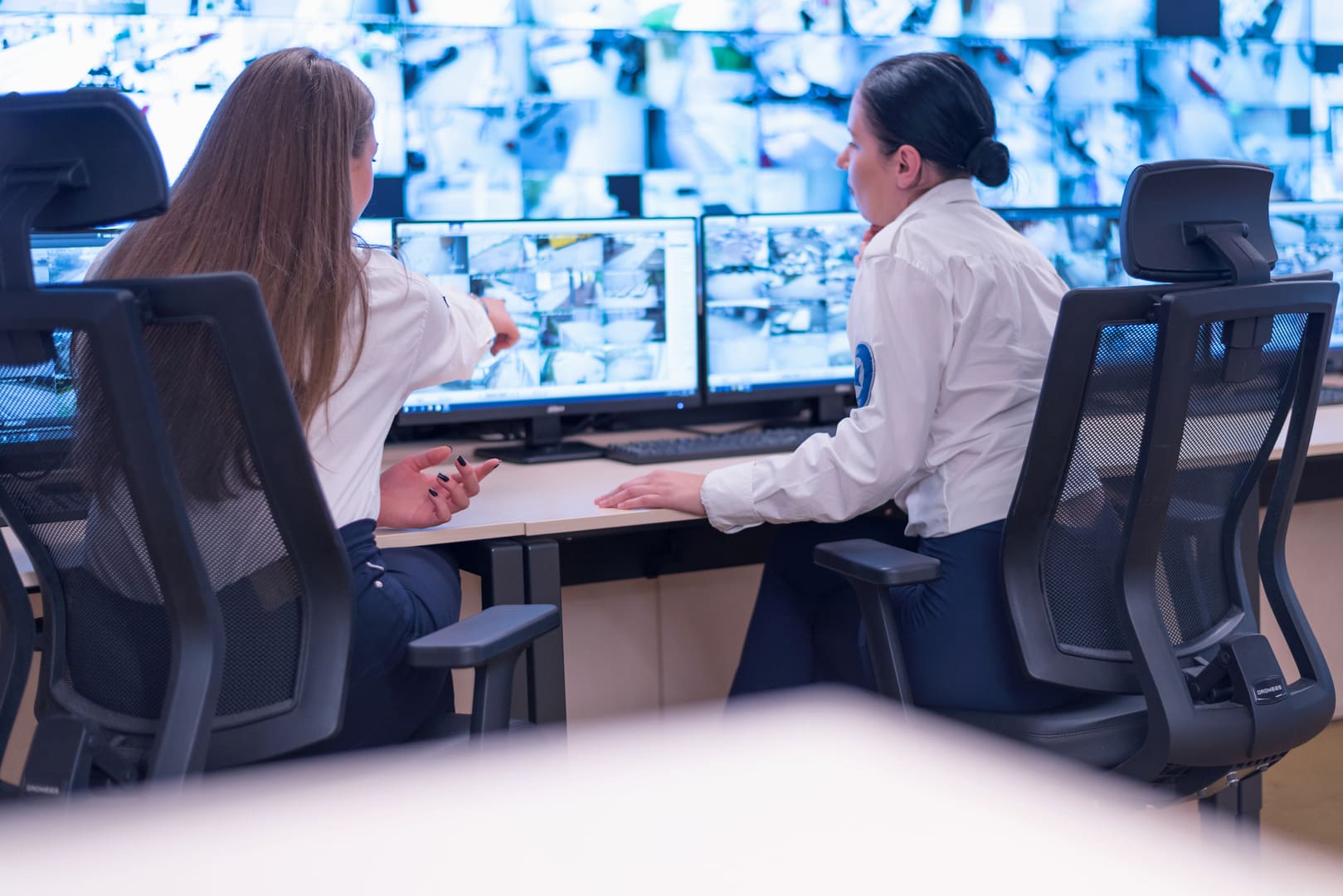
Commercial live video monitoring combines camera analytics with trained operators who assess defined events, intervene through live audio, coordinate the approved response, and document the outcome. It can protect property while also supporting employees, visitors, deliveries, and day-to-day operations.
Video analytics identify defined activity, then trained operators review the event and surrounding camera views before choosing a response.
When appropriate, an operator can speak through on-site speakers to give directions, warn a trespasser, or help de-escalate a developing situation.
Verified incidents are handled according to your site instructions, including contacting designated people or emergency services when conditions require it.
Each morning, customers receive an activity report with event clips, the operator action, escalation details, and the recorded resolution.
Select a stage to see how an event moves from an analytic trigger to a verified response and a clear customer record. The exact action follows the monitoring plan established for your property.
The system looks for the activity rules established for that camera and monitoring schedule. This filters routine movement before an event reaches an operator.
In practiceExample: A person enters a fenced equipment area after the site closes.
Decision pointOperator decision: Is this activity inside the protected zone and active schedule?
Overnight activity should not disappear into a recorder. The morning report gives owners and managers a concise record of reviewed events, the action taken, and how each event was resolved.
Illustrative report format. Event handling follows each customer’s approved response plan.
Live security camera monitoring can add useful context to employee, visitor, safety, and operational situations—not just intrusion events. Choose a scenario to explore how it can be handled.
Plan employee-facing monitoring responsibly. Camera placement, live audio, employee notice, recording, retention, and access practices should be reviewed with your legal counsel and documented in company policy. Cameras should never be placed in private areas.
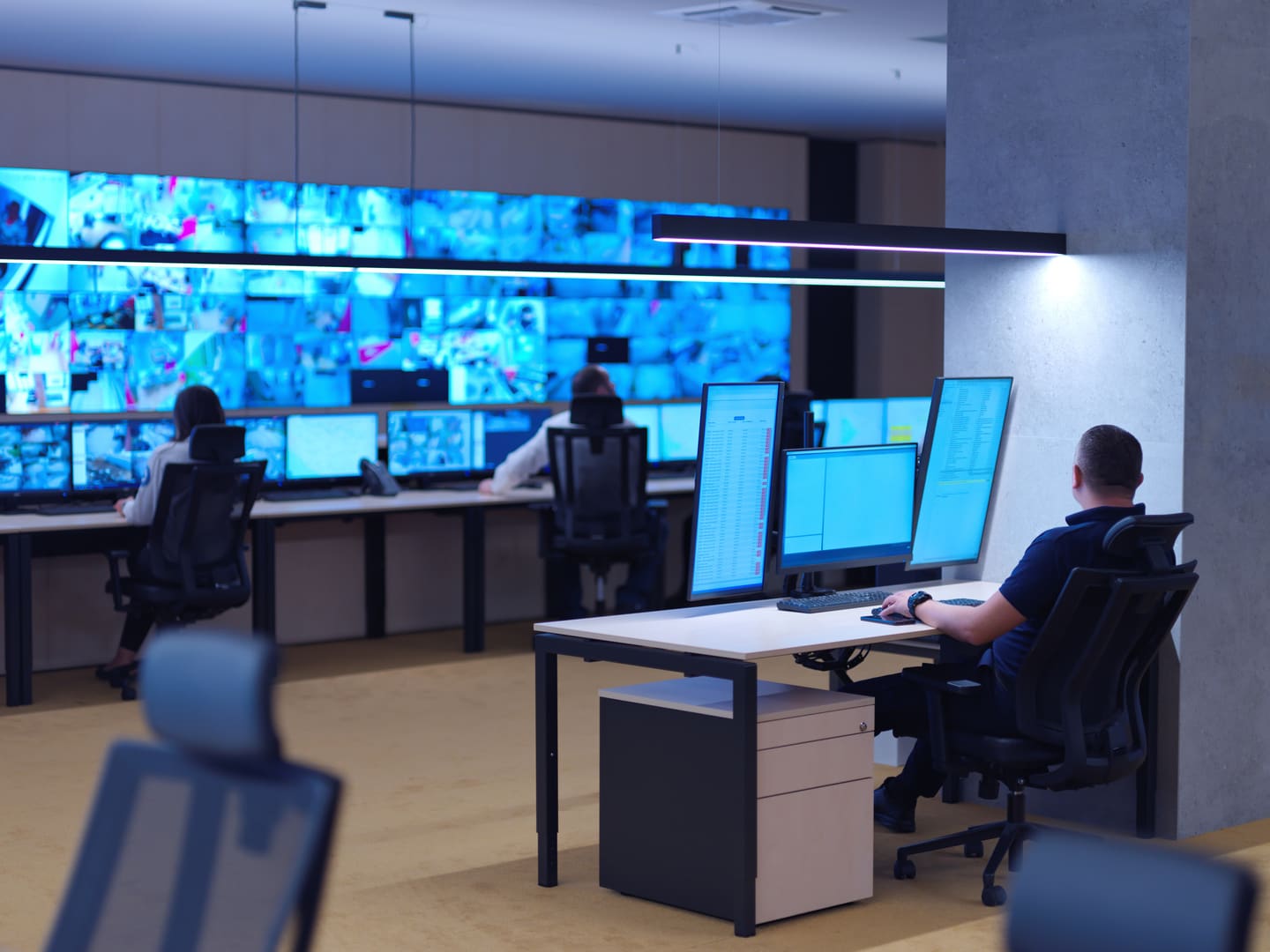
Many commercial IP camera systems can support remote monitoring. We audit the field conditions first, then explain what can remain, what should move, and what needs improvement.
Useful camera viewsCoverage should show approach paths and activity zones, not only the final doorway.
Usable low-light imagesOperators need enough detail to understand clothing, vehicles, direction, and behavior after dark.
Reliable connectivityAdequate upload bandwidth and stable network equipment keep event clips and live views available.
Audio where intervention mattersProperly placed speakers make live directions clear across yards, entries, docks, and parking areas.
Documented response rulesSchedules, approved contacts, escalation criteria, and normal site activity are defined before launch.
When improvements are needed, our team handles the supporting commercial camera installation, network cabling, and field service.
Request a site assessment for a new or existing camera system across East Central Minnesota, the North Metro, the I-35 corridor, and nearby Western Wisconsin communities we serve.
Answers about commercial remote video monitoring, operator response, daily reports, existing cameras, and responsible use.
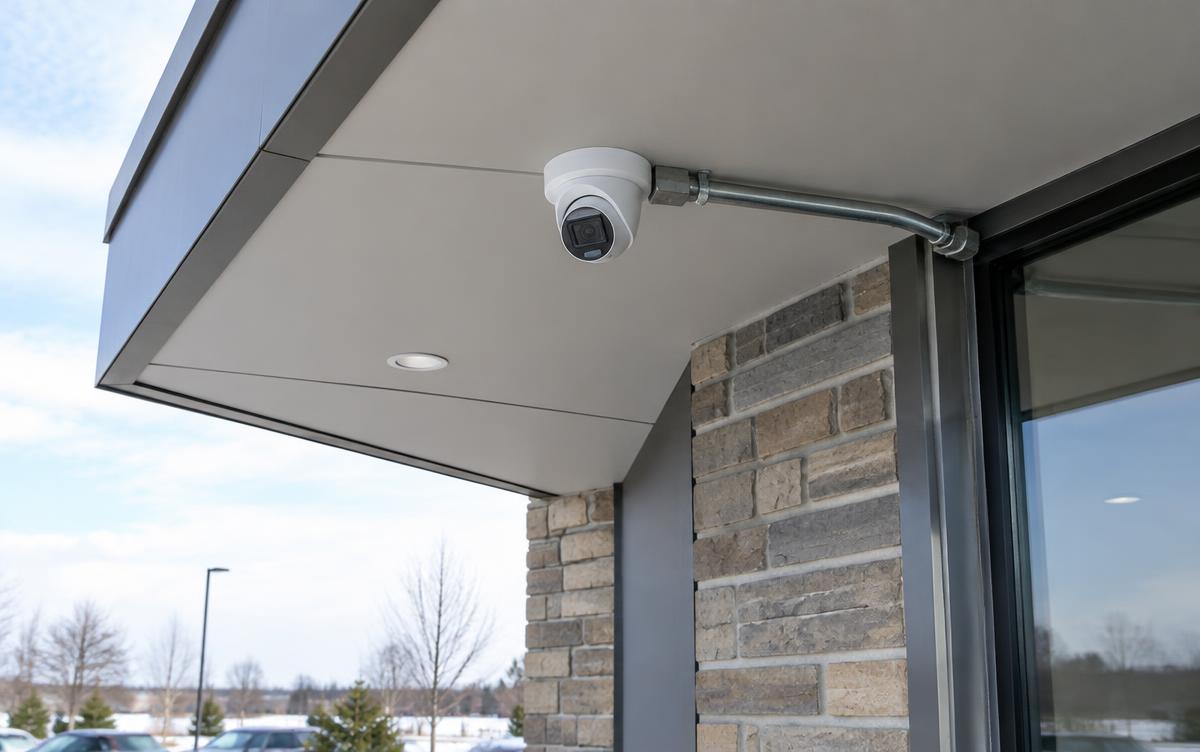
Build the clear, reliable camera coverage live operators need with professional placement, recording, cabling, and remote access.
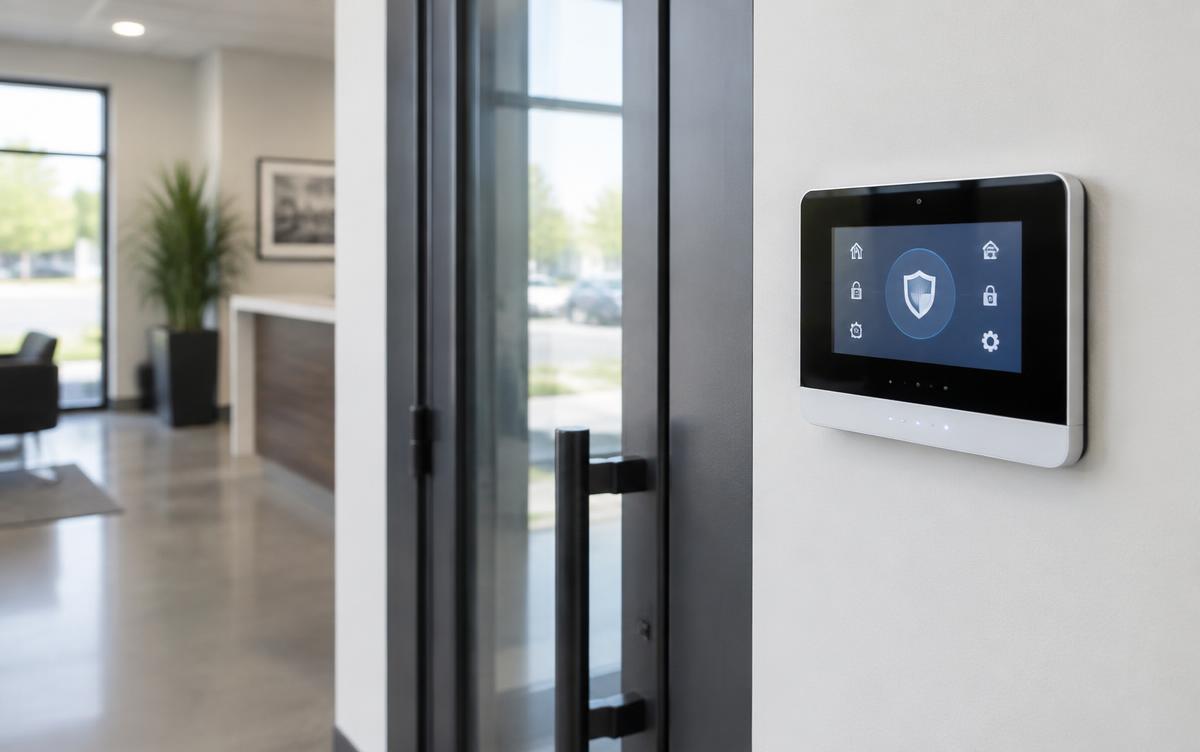
Pair monitored video with intrusion sensors, smart alerts, and central-station response for a stronger after-hours security plan.
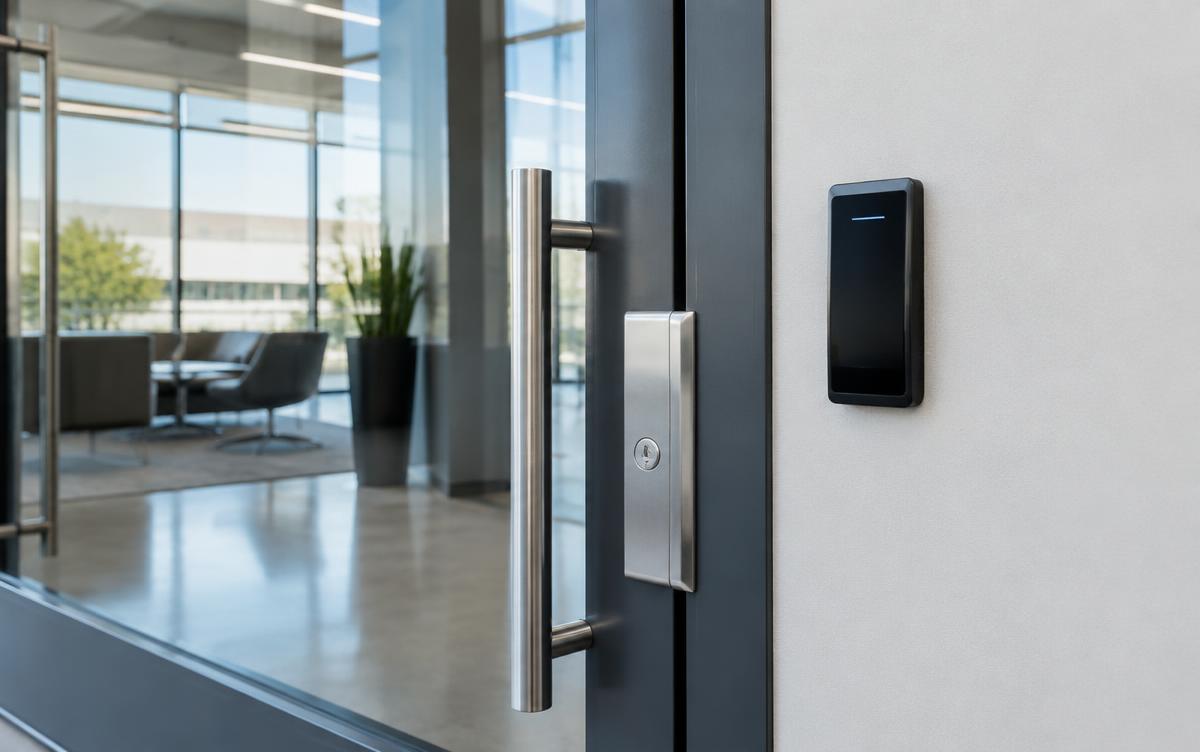
Connect monitored video with managed doors and credential activity for clearer event verification and faster review.