Searching for a commercial security systems company near me usually returns dozens of contractors, national alarm brands, IT integrators, and one-person shops — all promising roughly the same thing. This buyer's guide is written to help business owners, facility managers, property managers, and general contractors cut through that noise and make a confident decision.
Whether you're outfitting a new commercial build, upgrading an aging camera system, or replacing brass keys with modern access control, the framework below will help you scope the project, budget realistically, and pick a contractor who will still answer the phone three years from now.
What "Commercial Security System" Actually Means
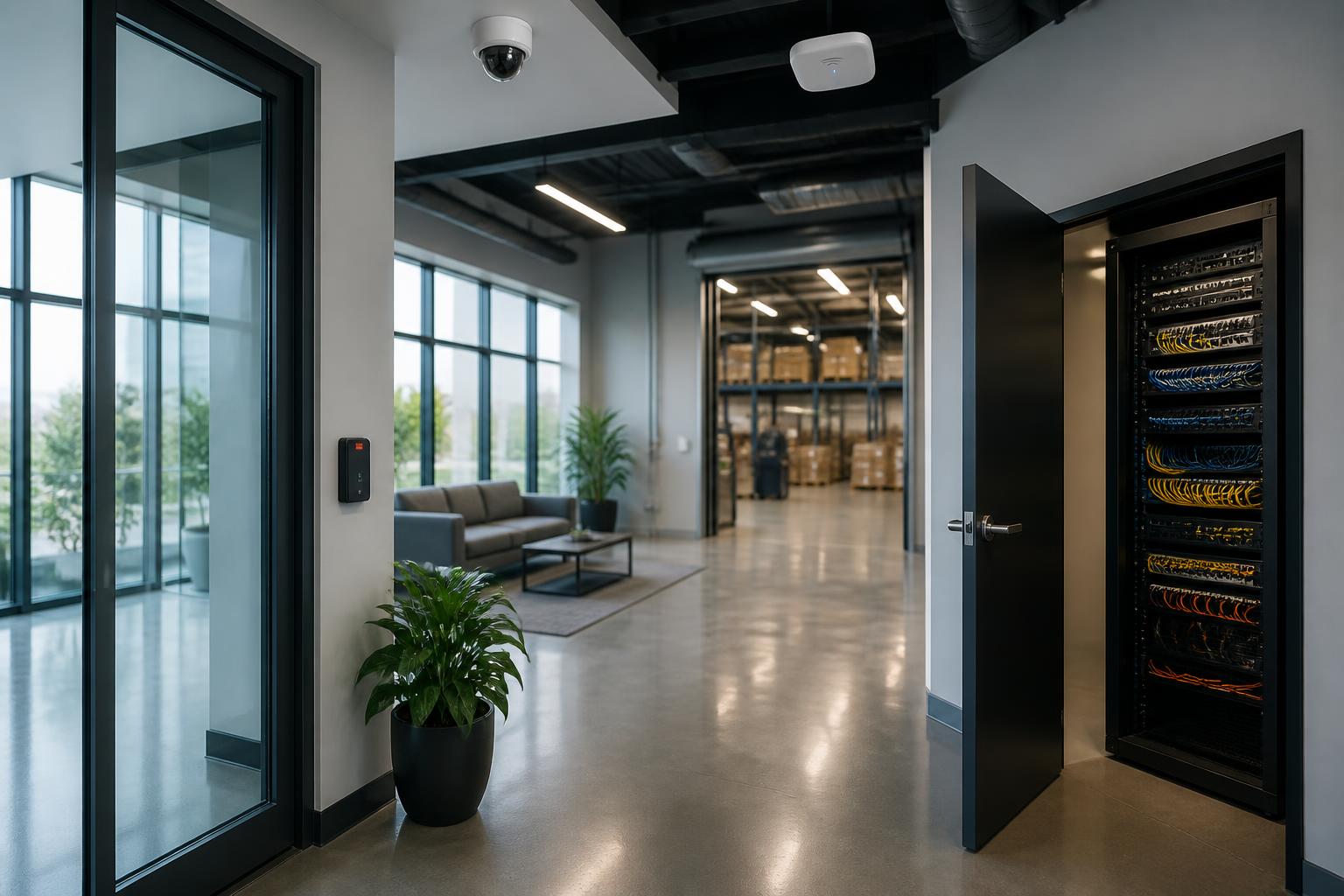
A modern commercial security system is rarely a single product. It's an integrated stack of technologies working together over reliable low voltage wiring and networking. The core layers usually include:
- Video surveillance — IP cameras, NVRs or cloud recording, and analytics
- Access control — card readers, mobile credentials, electrified locks, controllers
- Intrusion / burglar alarms — door contacts, motion sensors, monitored panels
- Structured cabling & network — Cat6/6A, fiber, PoE switches, Wi-Fi
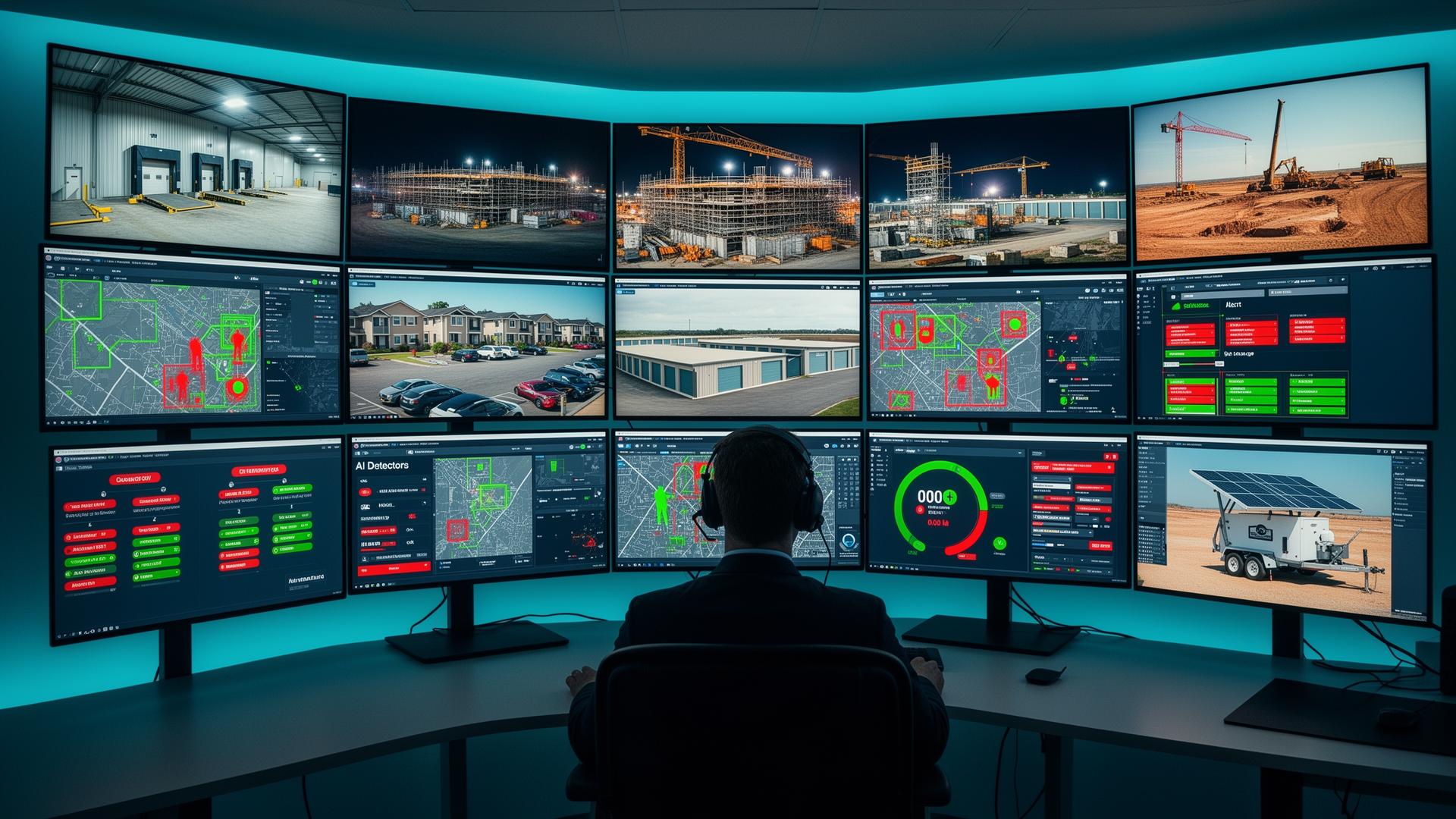
- Optional monitoring — 24/7 live video monitoring or traditional central-station alarm response
Buying these pieces separately from different vendors is one of the most common — and most expensive — mistakes we see. A single commercial low voltage contractor who can design and install all of it will almost always deliver a cleaner install and fewer finger-pointing calls later.
How to Choose a Commercial Security Contractor Near You
When comparing contractors, don't focus only on price per camera. Use the following checklist:
1. Licensing, insurance, and Minnesota compliance
- Minnesota PLT (Power Limited Technician) licensing for low voltage work
- General liability insurance and workers' comp
- Manufacturer certifications (Schlage, Allegion, major camera brands)
- Willingness to pull permits when required
2. Commercial experience — not just residential
Commercial buildings have different code requirements, fire-alarm interfaces, tenant-improvement realities, and stakeholder expectations. Ask specifically for recent commercial project examples similar in size and industry to yours.
3. Ownership of the system
Beware of contractors who install proprietary hardware you can only service through them, or who hold the admin password to your own system. A good contractor gives you ownership, documentation, and the ability to hire someone else later if needed.
4. Local response time
"Near me" matters. A locally based commercial security contractor can typically be on site within hours, not days. For distributed portfolios, ask how the contractor handles multi-site rollouts and service calls across the region.
5. Design-first process
Great contractors start with a site walk, a coverage plan, and a written scope — not a phone quote. If a bid arrives before anyone has looked at your building, treat it as a red flag.
What Should a Commercial Security System Cost?
Every building is different, but these ranges are typical for 2026 commercial projects in Minnesota:
- Commercial IP cameras (installed): roughly $600–$1,500 per camera, depending on resolution, environmental rating, and cabling difficulty
- Access control per opening: roughly $1,800–$3,500 per door, depending on hardware (mag lock, electric strike, wireless lock) and existing door prep
- Monitored burglar alarm: installation from a few hundred dollars plus $30–$75/month monitoring
- Structured cabling: priced per drop, typically $150–$300 per Cat6 drop depending on distance and ceiling type
- 24/7 live video monitoring: a monthly per-camera or per-site fee, scaled to hours of coverage
Anything dramatically below these ranges usually means residential-grade hardware, missing labor line items, or a contractor cutting corners on cabling that will cost you later.
Red Flags When Comparing Bids
- Bids that don't itemize labor, materials, and cabling
- No mention of warranty terms or service response times
- Consumer-grade cameras (Ring, Nest, off-brand Amazon NVRs) proposed for a commercial site
- Long-term "free equipment" contracts that lock you into monthly fees for 5+ years
- Refusal to provide references or recent project addresses
- No written low voltage design or camera coverage map
Questions to Ask Every Contractor
- Are you a licensed Minnesota Power Limited Technician contractor?
- Who owns the recorded video and access-control database — us or you?
- What happens to service and support if we don't renew a monitoring contract?
- How do you handle warranty issues on cameras, locks, and controllers?
- Can this system scale — more doors, more cameras, more sites — without a rip-and-replace?
- Will the same crew handle low voltage wiring, cameras, access, and network, or are you subcontracting?
- What is your typical response time for a service call in our area?
New Construction vs. Retrofits
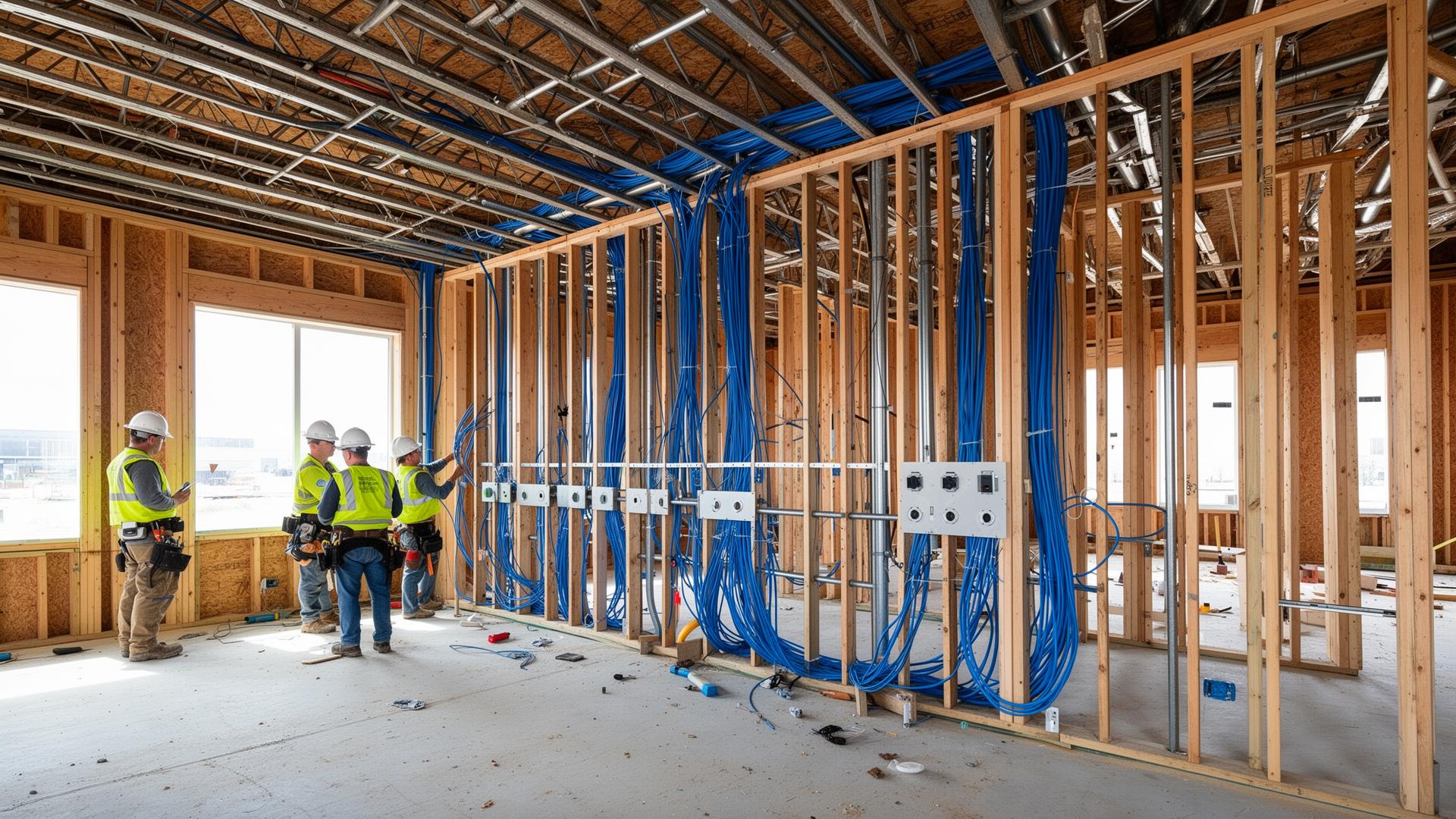
If you're building or renovating, the cheapest time to install commercial security infrastructure is before drywall goes up. We wrote a full breakdown in Install Low Voltage Infrastructure Before Drywall, but the short version: coordinate camera locations, door hardware, and network runs during framing — not after occupancy.
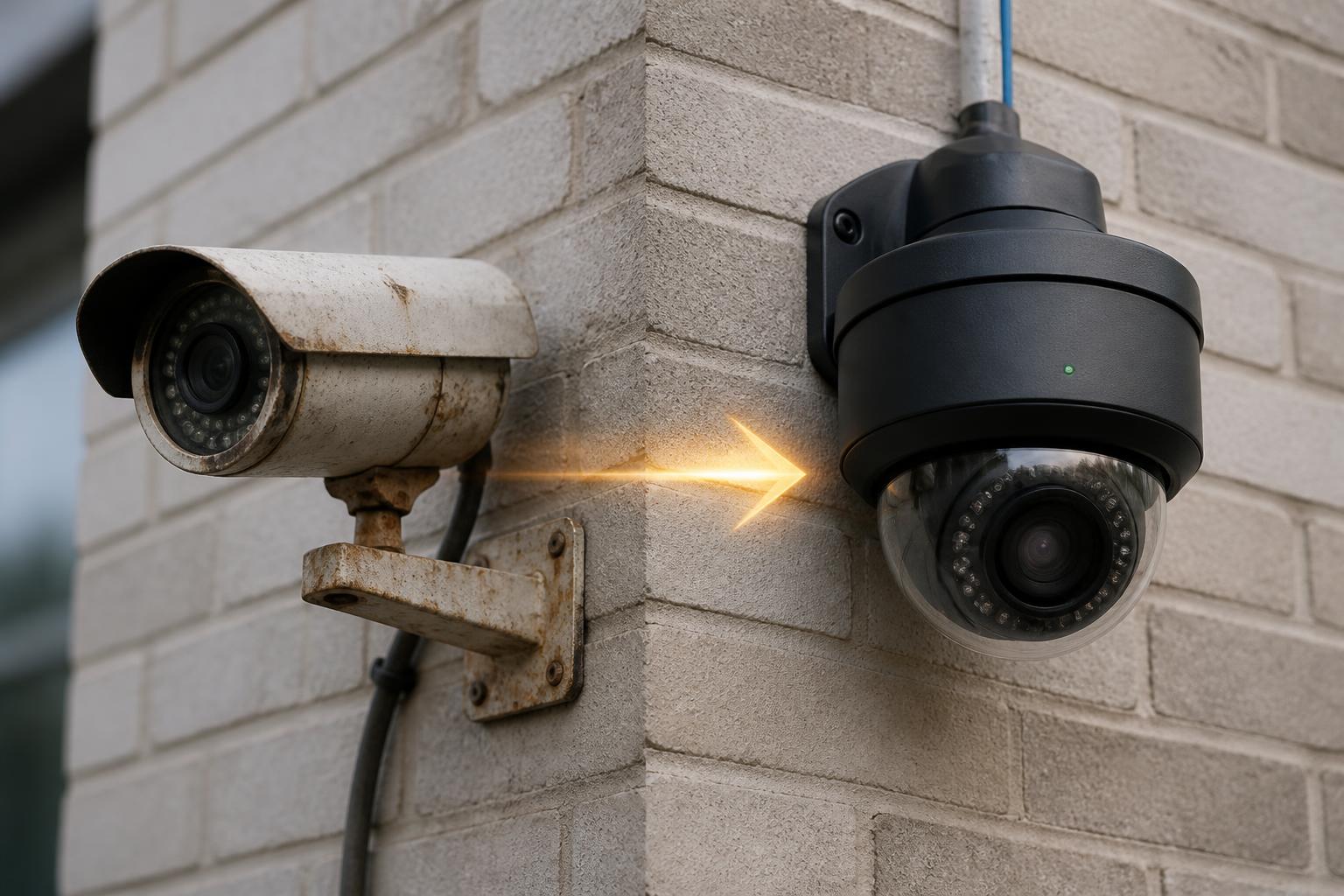
For retrofits, expect additional labor for fishing wire through finished spaces, patching drywall, and working around existing systems. A good commercial contractor will walk the building and flag these costs up front rather than surprising you with change orders.
Industries We Commonly Serve
Commercial security is not one-size-fits-all. Our team designs systems for:
- Warehouses, distribution centers, and manufacturing plants
- Office buildings and professional services
- Apartment communities and multifamily properties
- Schools, child care centers, and campuses
- Retail, restaurants, and hospitality
- Auto dealerships, storage yards, and equipment lots
- Municipal, utility, and government facilities
See our industries page for how the technology stack shifts between them.
Local Coverage Across Minnesota & Western Wisconsin
Magnuson Low Voltage Wiring is based in Minnesota and serves commercial clients across the Twin Cities metro, greater Minnesota, and western Wisconsin. See our full service areas for city-level coverage.
Next Steps
The best security decisions start with a walk-through, not a shopping cart. If you're evaluating commercial security systems near you, we're happy to review your building, existing infrastructure, and goals — and give you a written scope you can compare against any other bid.