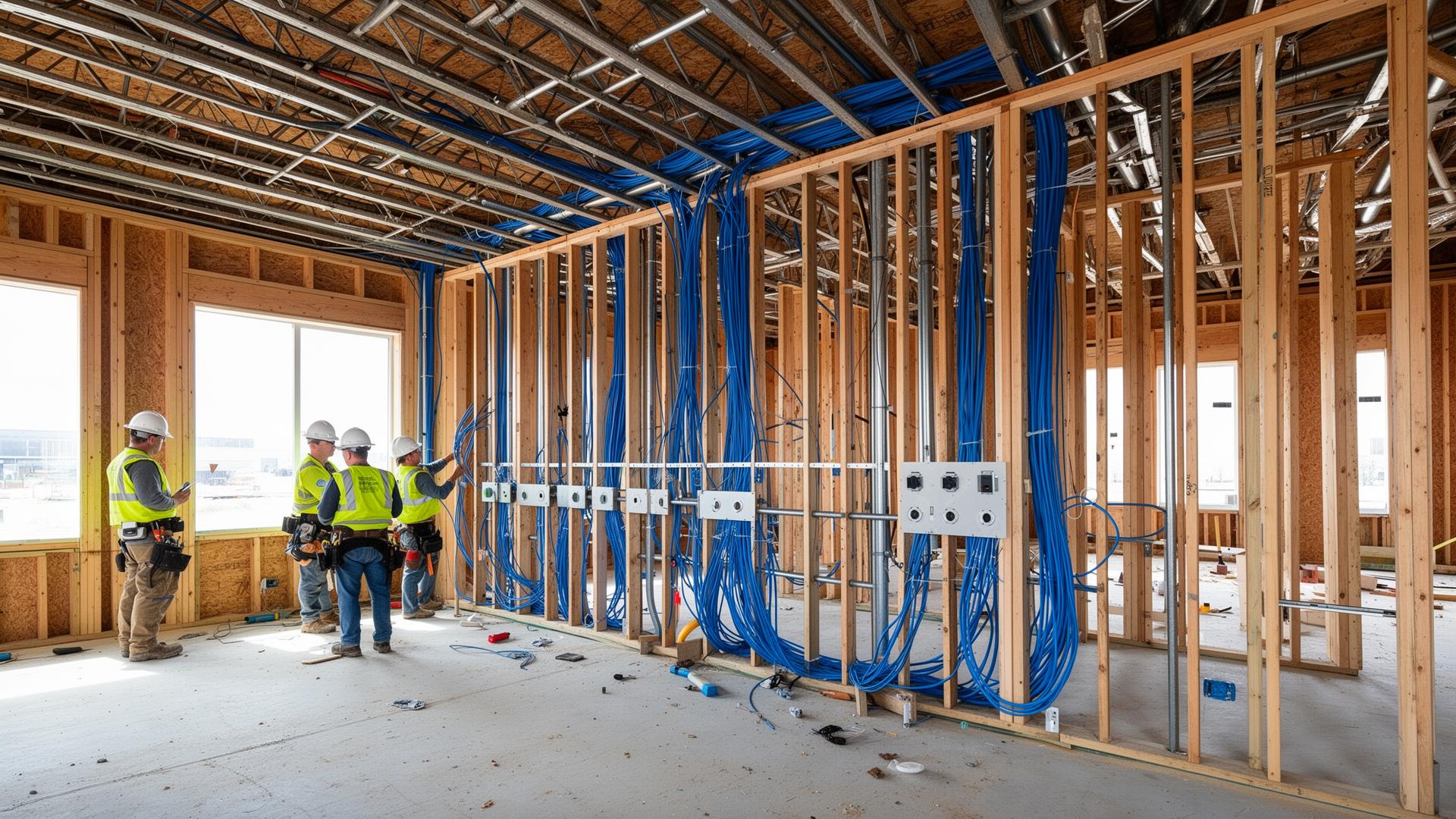
When planning a new commercial building, warehouse, office, apartment complex, church, or manufacturing facility, most attention naturally focuses on structural work, electrical systems, plumbing, HVAC, and finishes.
Unfortunately, low-voltage infrastructure is often treated as an afterthought.
That can become an expensive mistake.
At Magnuson Low Voltage Wiring, we've worked on countless projects throughout Minneapolis, St. Paul, East Central Minnesota, and Western Wisconsin where building owners later wished they had planned for security cameras, access control, network cabling, Wi-Fi, and communications systems before the walls were closed up.
The reality is simple: installing low-voltage infrastructure before drywall is one of the most cost-effective decisions you can make during construction.
What Is Low Voltage Infrastructure?
Low-voltage infrastructure refers to the systems that power communication, security, and technology throughout a building. Common examples include:
- Network cabling
- Fiber optic cabling
- Security camera wiring
- Access control wiring
- Wi-Fi infrastructure
- Intercom systems
- Audio systems
- Telephone systems
- Cellular boosters
- Remote monitoring systems
These systems have become essential components of modern commercial buildings.
Why Timing Matters
The best time to install low-voltage cabling is when the walls and ceilings are still open. Once drywall is installed, every cable becomes more difficult and expensive to route.
What might take minutes during construction can later require cutting drywall, patching walls, painting, ceiling removal, and additional labor. Planning ahead often saves significant time and money.
The Cost of Waiting
One of the most common situations we encounter is: "We didn't think we needed cameras when the building was constructed."
Six months later, a theft occurs, inventory goes missing, an employee incident happens, or management wants additional visibility. Now the building owner is paying for retrofits that could have been avoided. The same scenario applies to access control systems, network expansion, Wi-Fi improvements, audio systems, and future technology upgrades.
Security Camera Systems Should Be Planned Early
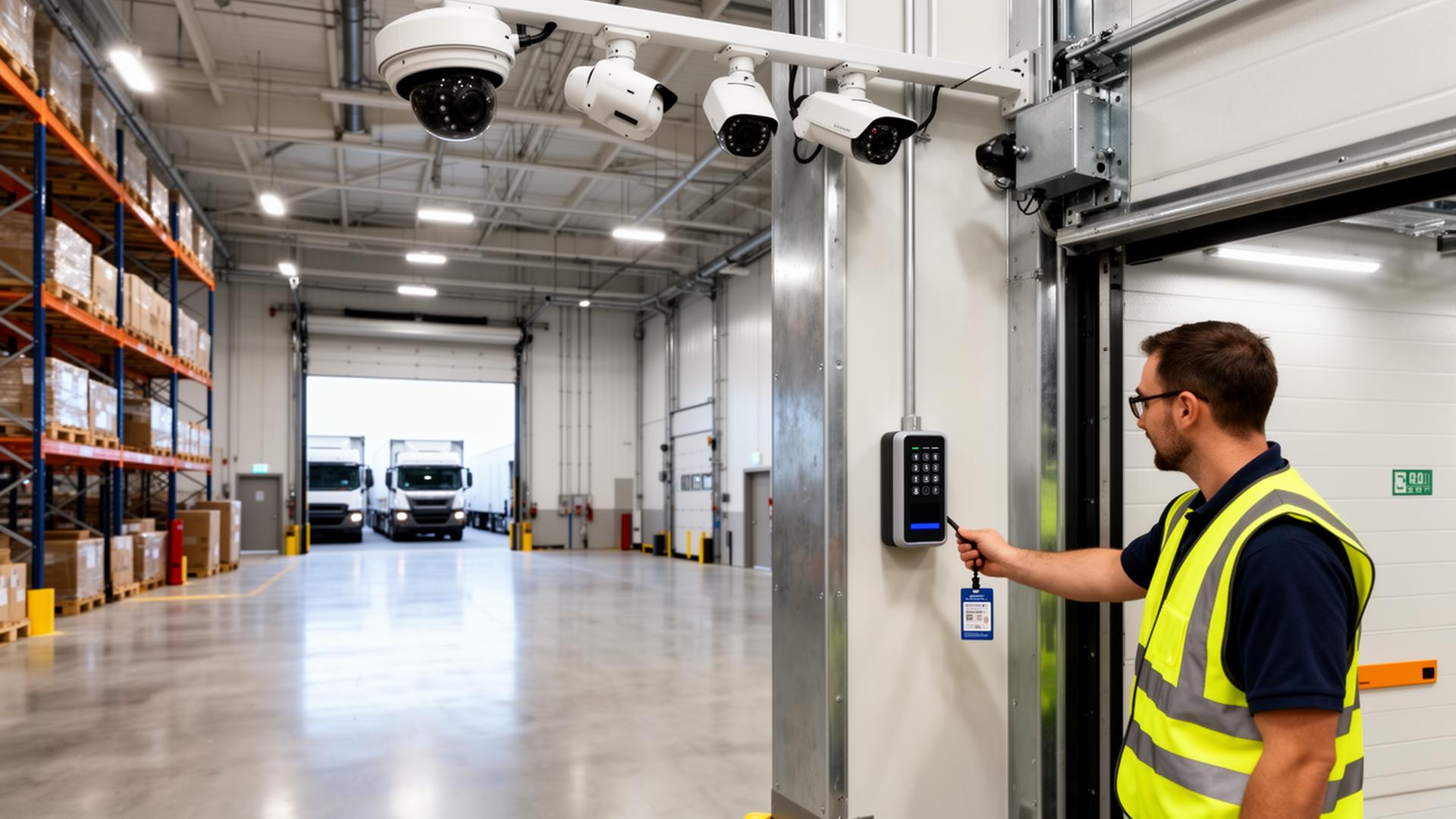
Security cameras are among the most requested upgrades after construction is completed. Planning ahead allows for proper camera placement, hidden cable routing, clean installation aesthetics, better coverage design, and future camera expansion.
Common locations include:
Building Entrances — Monitor employees, visitors, and deliveries.
Parking Lots — Improve visibility and reduce liability.
Loading Docks — Document shipping and receiving operations.
Warehouses — Protect inventory and equipment.
Apartment Buildings — Monitor common areas, entrances, garages, and package rooms.
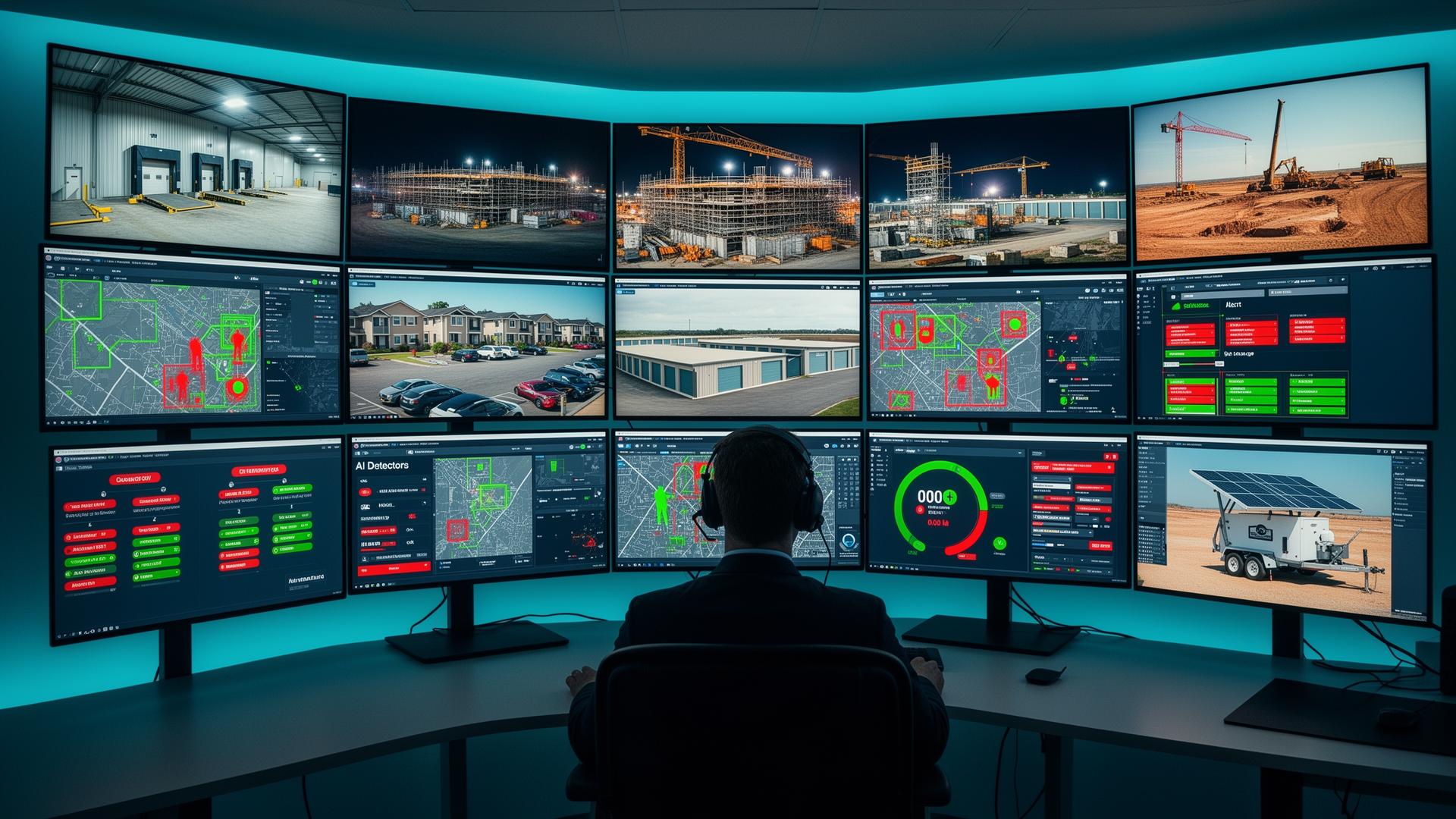
Installing cabling before drywall helps ensure these locations are ready when cameras are deployed. For properties that need verified response, 24/7 live security camera monitoring turns those cameras into an active deterrent rather than a passive recording device.
Access Control Systems Require Infrastructure Too
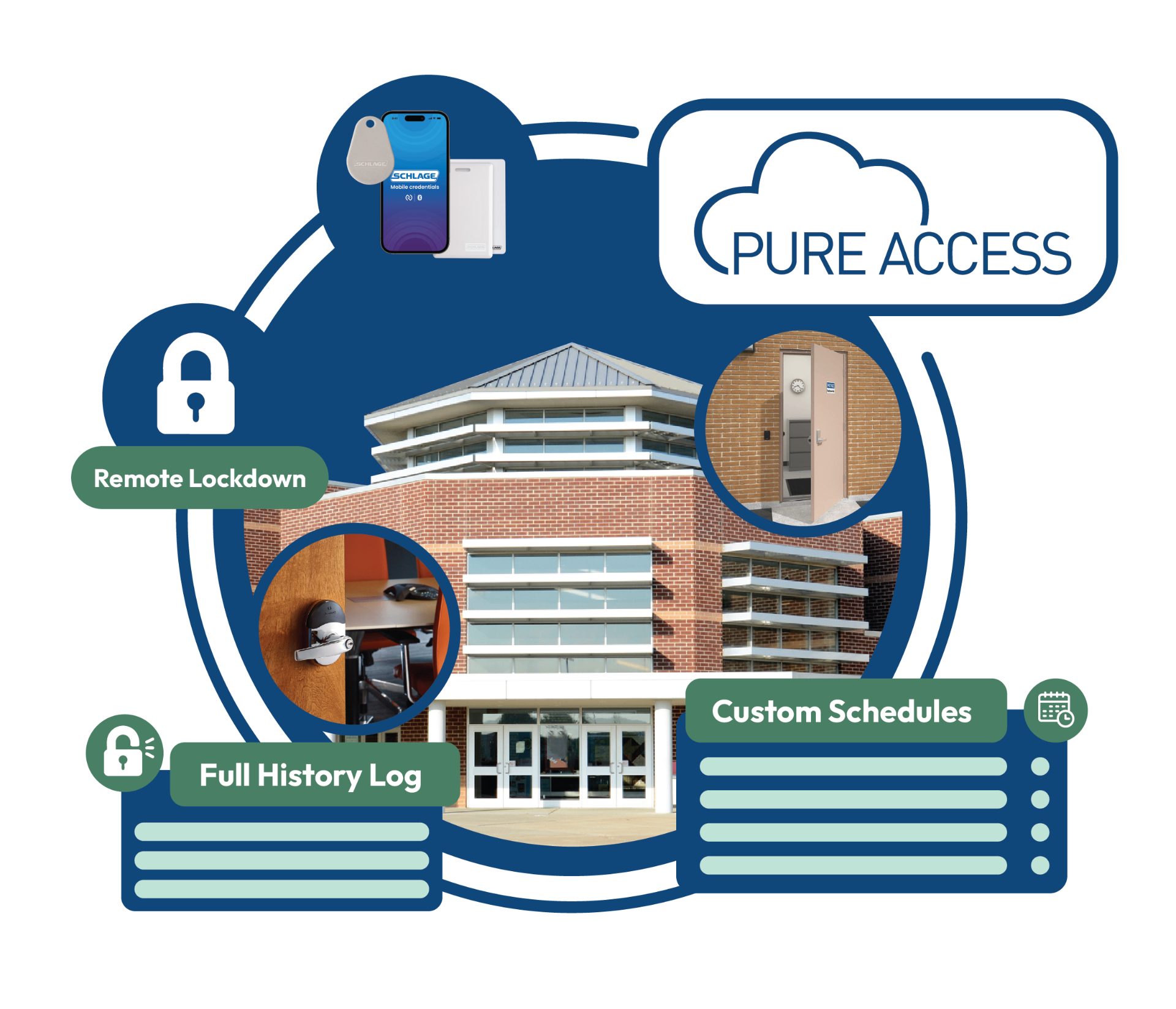
Many owners don't initially plan for access control, then later decide they want key fob access, mobile credentials, electronic door locks, apartment smart locks, or visitor management. Access control systems require wiring to door controllers, readers, electronic locks, power supplies, and network equipment. Installing these pathways before drywall can dramatically reduce future installation costs.
Don't Forget Future Expansion
One of the biggest mistakes made during construction is only planning for current needs. Technology changes quickly. Businesses grow. Buildings evolve.
A properly designed low-voltage infrastructure plan considers future cameras, additional access control doors, expanded Wi-Fi coverage, additional workstations, building additions, and new technologies. Conduit and spare cabling pathways can provide enormous value later.
Structured Cabling Is the Foundation
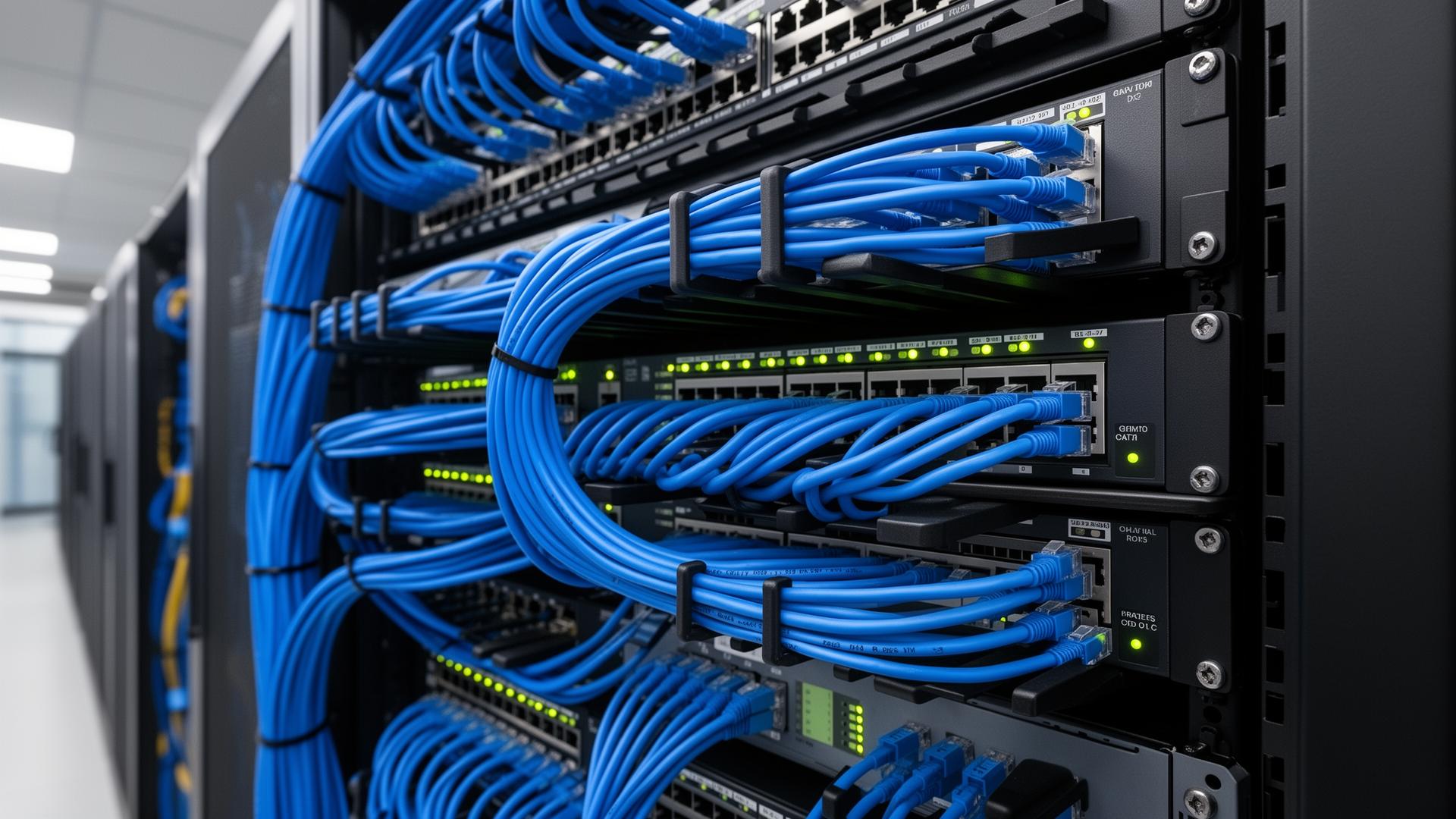
Every modern technology system depends on reliable network infrastructure. Structured cabling supports computers, phones, cameras, access control, wireless networks, audio systems, and cloud applications. A well-designed cabling system becomes the backbone of the entire facility — and trying to add cabling after occupancy is significantly more disruptive and expensive.
Common Building Types That Benefit Most
Warehouses — Support cameras, Wi-Fi, access control, and inventory systems. See our experience with warehouse and manufacturing security systems.
Manufacturing Facilities — Enable production monitoring, security systems, and operational technology.
Apartment Communities — Prepare for cameras, smart locks, access control, and resident amenities.
Churches — Support streaming, audio systems, security, and networking.
Offices — Provide flexibility for future growth and technology upgrades.
Retail Spaces — Support POS systems, surveillance, and communications infrastructure.
Planned During Construction vs Added Later
| Scenario | Planned During Construction | Added After Construction |
|---|---|---|
| Installation Cost | Lower | Higher |
| Labor Required | Minimal | Increased |
| Drywall Repairs | None | Often Required |
| Project Disruption | Minimal | Moderate to High |
| Future Flexibility | High | Limited |
| Appearance | Cleaner | More Challenging |
Planning low-voltage systems during construction is typically one of the most cost-effective technology decisions a building owner can make. The incremental cost during rough-in is small compared with retrofitting through finished walls, ceilings, and occupied spaces — and the resulting infrastructure supports the building for decades.
Serving Minneapolis, St. Paul & East Central Minnesota
Magnuson Low Voltage Wiring provides network cabling, structured cabling, security cameras, access control systems, and low-voltage infrastructure throughout Minneapolis, St. Paul, Forest Lake, Cambridge, North Branch, Pine City, and communities across East Central Minnesota.
Whether you're constructing a new facility, remodeling an existing building, or planning future technology upgrades, our team can help design a low-voltage infrastructure plan that supports your business for years to come. Contact us early in the design phase to get the most value from your construction budget.