Minnesota's new child care camera requirements take effect July 1, 2026, but there has been confusion about what the law actually requires. One of the most important points for providers to understand is that this is not a blanket camera mandate for every licensed child care center. Applicability depends on specific statutory circumstances.
This article summarizes the key points in plain English and introduces the free Minnesota Child Care Camera Readiness Guide prepared by Magnuson Low Voltage Wiring.
What Changed in 2026?
Under Minnesota Statute §142B.68, video security camera requirements for licensed child care centers take effect July 1, 2026. The statute establishes camera, recording, retention, policy, and signage standards that apply under specific statutory circumstances — it is not an automatic, across-the-board requirement for every licensed provider.
Providers should verify official details through the Minnesota Revisor of Statutes and the Minnesota Department of Children, Youth, and Families (DCYF).
Does This Apply to Every Minnesota Child Care Center?
No. The law is not a blanket camera mandate for every licensed child care provider. The requirement applies under specific statutory circumstances tied to qualifying maltreatment and enforcement triggers described in the statute.
The safest way to think about the law is this: not every provider is automatically required to install cameras on July 1, 2026. However, many providers are choosing to evaluate their existing camera systems now so they understand where they stand if the requirement ever becomes applicable.
Key Requirements If the Law Applies
The following camera, recording, retention, and policy standards are established under Minnesota Statute §142B.68 for centers where the law applies.
Camera Placement
If applicable, the center must have at least one video security camera in each room designated for infants or toddlers. Cameras must be positioned for maximum visibility. If one camera cannot view at least 80% of the room's square footage, additional cameras are required.
Recording Standards
Where applicable, systems must provide:
- Continuous recording during operating hours
- Accurate date and time information
- Minimum 720p recording resolution
- Minimum 15 frames per second
Retention
Where applicable:
- Routine recordings: at least 28 days
- Recordings associated with reportable incidents: at least six months
Written Policy and Signage
If applicable, centers must maintain a written video security camera policy, provide required notice to parents and legal guardians, and post required signage at entrances accessible to visitors.
Your Existing Camera System May Not Need to Be Replaced
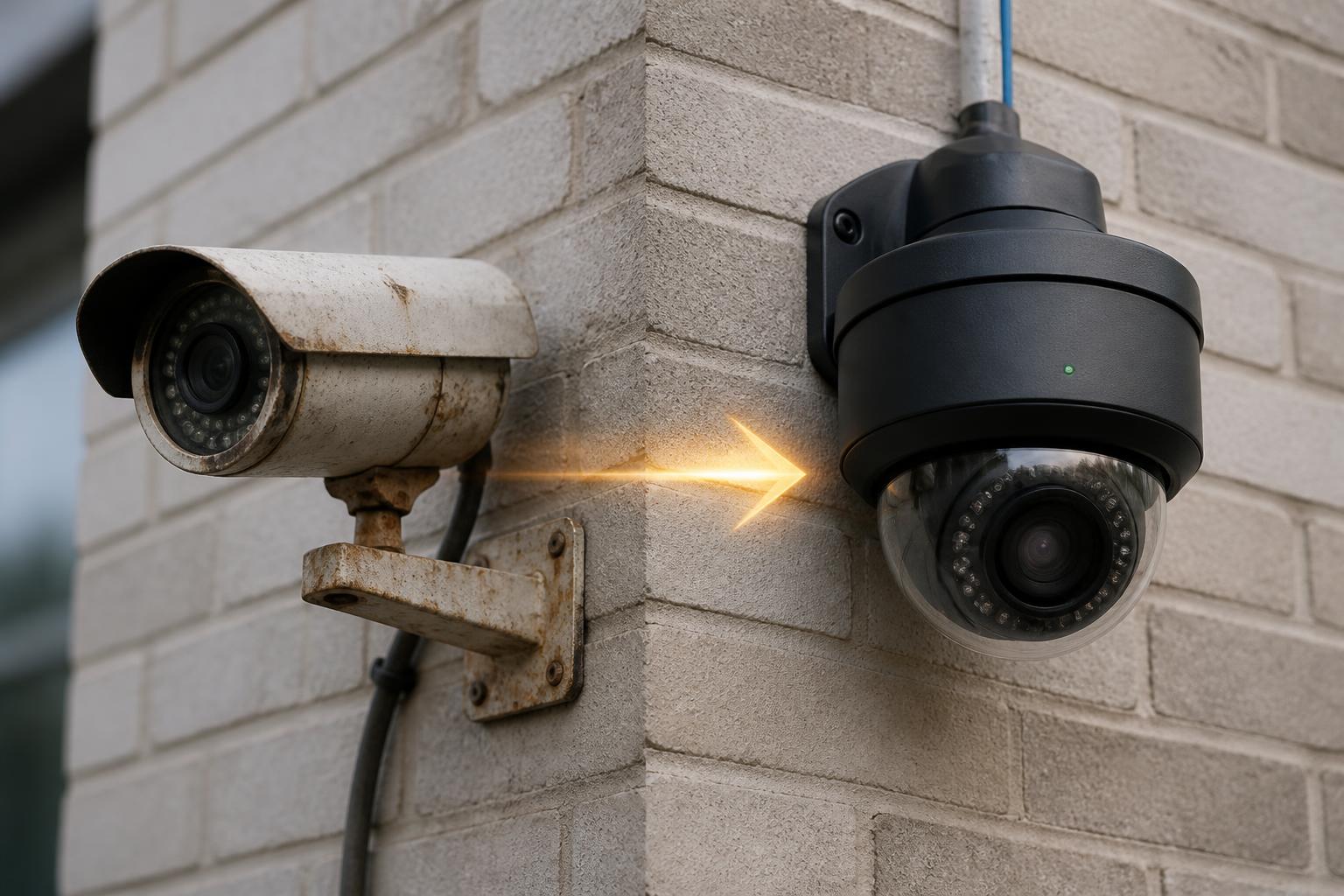
Many Minnesota child care providers already have professionally installed commercial camera systems. If that is the case, the first step should usually be an assessment — not automatic replacement.
Common improvements may include:
- Adding storage
- Adjusting recording settings
- Updating the recorder
- Repositioning cameras
- Replacing only specific cameras
- Improving documentation
- Confirming playback and retention
A professional assessment can often identify targeted improvements that cost less than a full system replacement.
Common Misunderstandings About the Minnesota Child Care Camera Law
| Myth | Fact |
|---|---|
| Every child care center must install cameras by July 1, 2026. | The law applies under specific statutory circumstances. It is not a blanket mandate for every provider. |
| Every existing camera system must be replaced. | Many commercial systems can be upgraded, adjusted, or expanded. |
| Cloud storage is required. | Cloud storage is not required by the statute. Many commercial systems use local NVR storage. |
| Parents must be given live video access. | The law does not require parent live viewing. Access to recordings should follow applicable law and facility policy. Existing remote viewing arrangements may have specific statutory exceptions. |
| Consumer Wi-Fi cameras are the same as commercial systems. | Consumer cameras are typically designed for residential use and may not provide the continuity, storage, or management needed for commercial environments. |
What Should Providers Check First?
Download the Minnesota Child Care Camera Readiness Guide
Magnuson Low Voltage Wiring prepared a free 2026 guide to help Minnesota child care providers understand the new camera requirements, evaluate existing systems, and plan next steps.
Request a Child Care Camera System Assessment
If you would like help reviewing your existing camera system, Magnuson Low Voltage Wiring offers a complimentary camera system assessment for Minnesota licensed child care providers. The assessment is focused on understanding your existing equipment — not selling a replacement system.
Assessment includes:
- Existing equipment review
- Camera placement evaluation
- Recording and storage review
- Identification of possible improvement opportunities
- Answers to your questions
- Budgetary guidance when requested
Final Thought
Minnesota's child care camera requirements are an important change, but providers do not need to make rushed technology decisions. Understanding the law, reviewing existing equipment, and planning ahead can help child care centers make better long-term decisions.
The best first step is understanding what you already have.
Official References
- Minnesota Statute §142B.68 — revisor.mn.gov/statutes/cite/142B.68
- Minnesota Department of Children, Youth, and Families — dcyf.mn.gov
Disclaimer: This article is provided for educational purposes only and should not be considered legal advice. Child care providers should review the official statute, DCYF guidance, and consult legal counsel when needed for compliance questions.
Written by Bob Magnuson, Licensed Minnesota Low-Voltage Contractor, Magnuson Low Voltage Wiring. Explore our commercial security camera services or visit the blog for more articles.